Why Luoyang earns three days
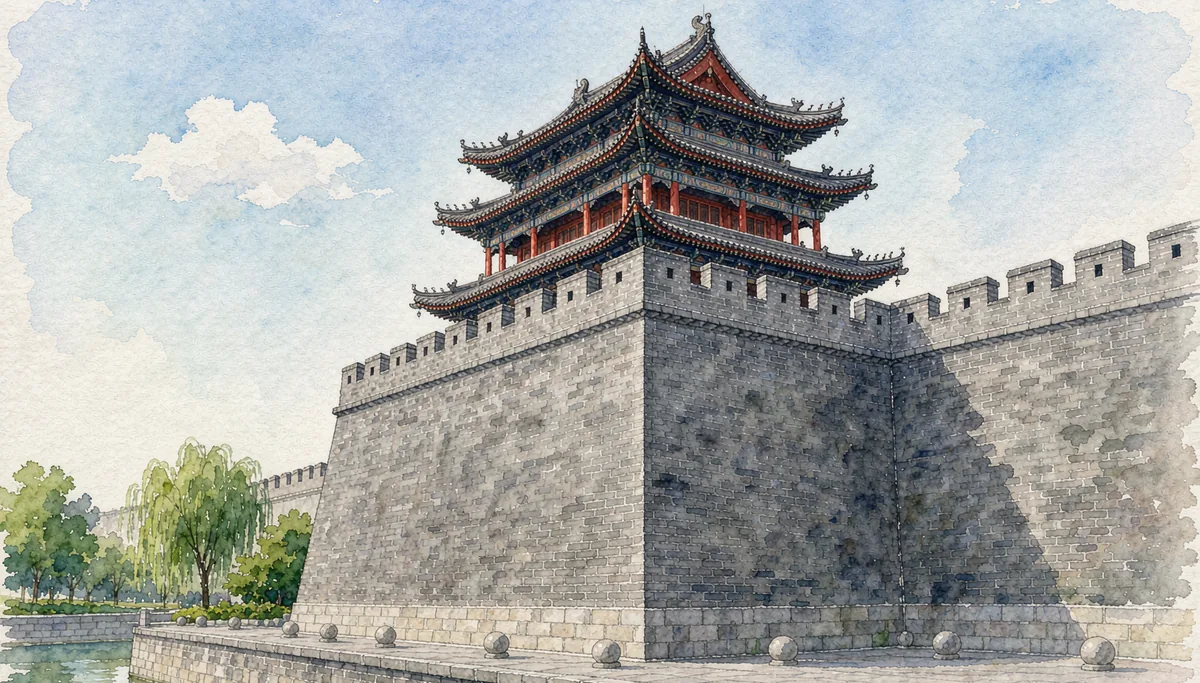
Luoyang is one of China's great ancient capitals, a city that anchored thirteen dynasties and still keeps two of the country's most important heritage sites within easy reach. The Longmen Grottoes are a UNESCO World Heritage carving complex cut into limestone cliffs along the Yi River, while the White Horse Temple is traditionally honored as the first Buddhist temple founded in China, in AD 68. Two hours southwest, Laojun Mountain rises into a sea of clouds with golden summit temples that glow at dusk. Unlike the headline cities, Luoyang is compact and walkable, so three unhurried days let you see the sites without a single cross-city dash. It also sits on the high-speed line between Xi'an and Beijing, which makes it an easy addition to a longer northern China route rather than a destination that demands a dedicated trip on its own.
Getting to and around Luoyang
Most visitors arrive by high-speed rail at Luoyang Longmen Station, which is itself only about 13 km from the Longmen Grottoes. From Beijing the ride is roughly three hours, and from Xi'an about 75 minutes, with frequent departures through the day. The city center is small enough that taxis and ride-hailing apps cover most trips in 15 to 30 minutes, and a handful of bus routes connect the station, the old city and the major sites. Build your days around districts rather than scattering across town: the grottoes and White Horse Temple to the south, Laojun Mountain as a single full-day excursion, and the old city and Peony Park for evenings. Carry the passport used for any ticket, keep hotel and attraction names in Chinese saved on your phone, and avoid trying to combine Laojun Mountain with another major site on the same day, because the round trip alone consumes most of your daylight.
The Longmen Grottoes in practice
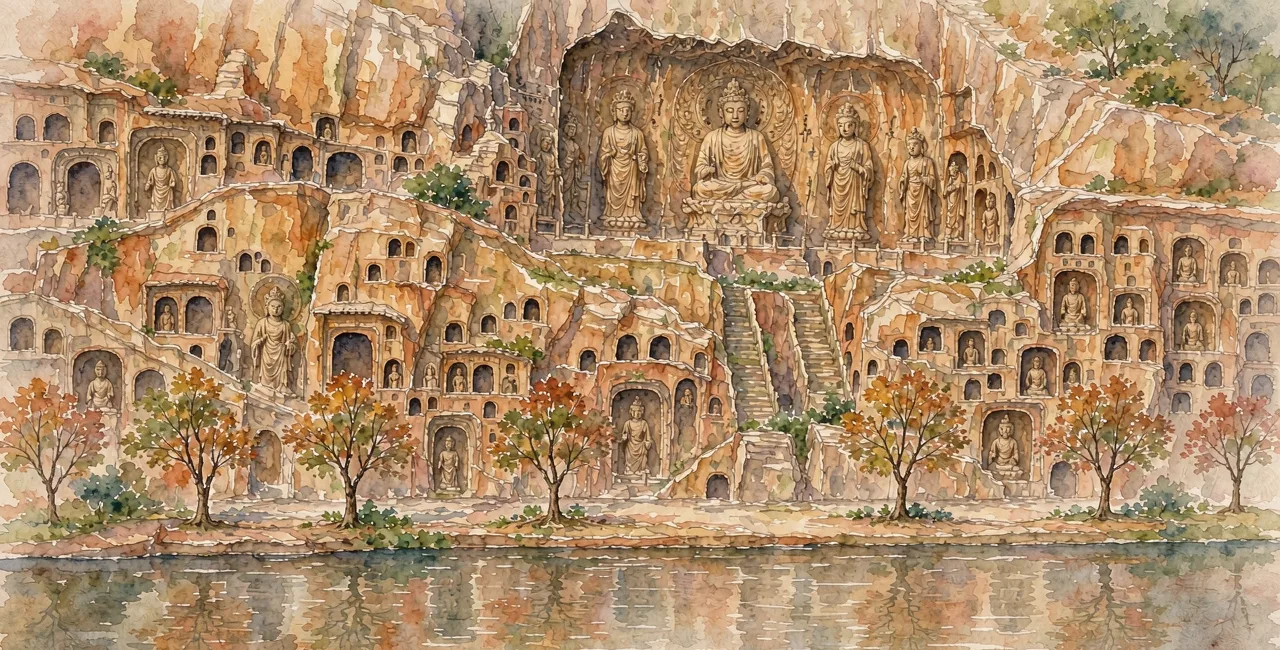
The Longmen Grottoes stretch about one kilometre along the Yi River's west bank, with tens of thousands of Buddhist images carved from the late 5th century onward. The headline niche is Fengxian Temple, a colossal seated Buddha flanked by disciples and guardians, but the quieter caves along the walking path are where the scale of the project becomes real. Adult admission is about 90 yuan and student admission about 45 yuan, with the ticket covering both banks of the river. In peak season the site also runs an evening light show that is priced separately from daytime entry. Allow at least half a day; the path from the north entrance to Fengxian Temple is mostly flat but long, and the east-bank caves are reached by a bridge. Go early to soften both the crowds and the light, and wear shoes comfortable for a few kilometres of paved walking rather than sandals.
White Horse Temple and the Peony Festival
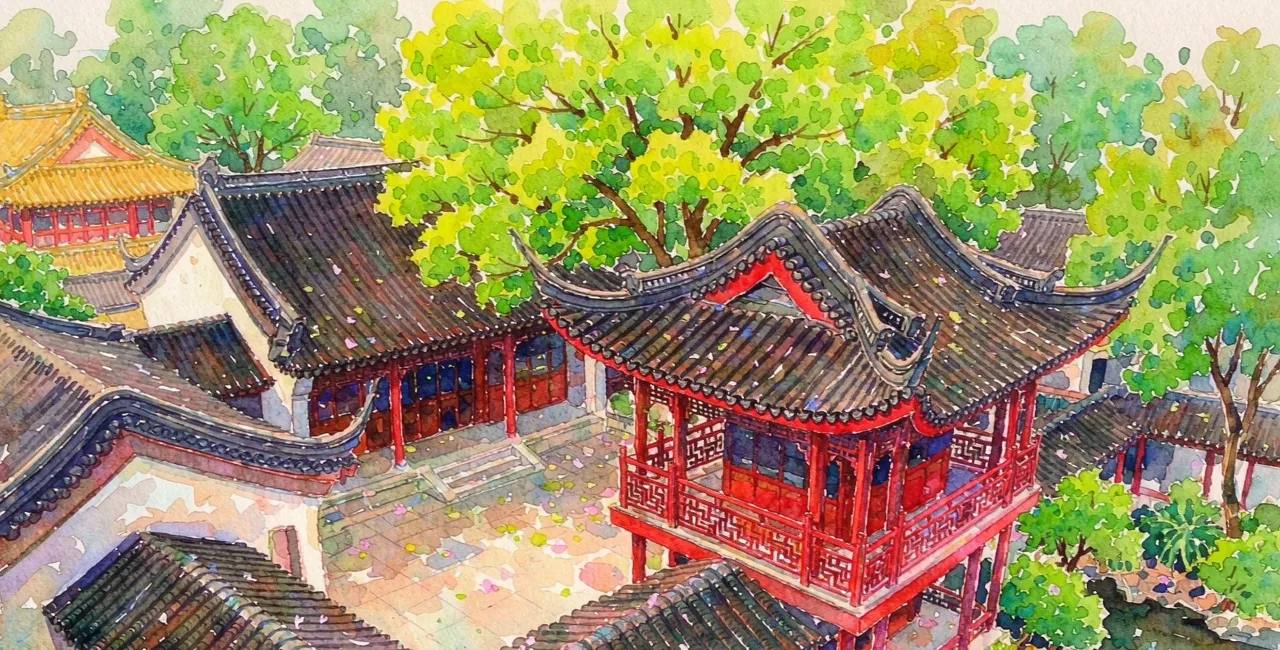
White Horse Temple sits in the eastern suburb and is as much a diplomatic site as a religious one. Its compound now holds not only the traditional Chinese halls but also Thai, Burmese and Indian-style halls donated by those countries, making it a rare single-site survey of Buddhist architecture across Asia. Admission is modest, around 35 yuan, and the grounds are calmer than the grottoes. If you visit in April, timing matters: Luoyang's Peony Festival typically runs the first three weeks of the month and turns the city's parks and roadside beds into a sea of the flower the city is famous for. The Wangcheng Park peony gardens are the classic spot for photographs and atmosphere. Hotels fill during the festival, so book early if spring is your window, and treat the peonies as a reason to slow down rather than a checklist to rush through in an hour.
Laojun Mountain as a day trip
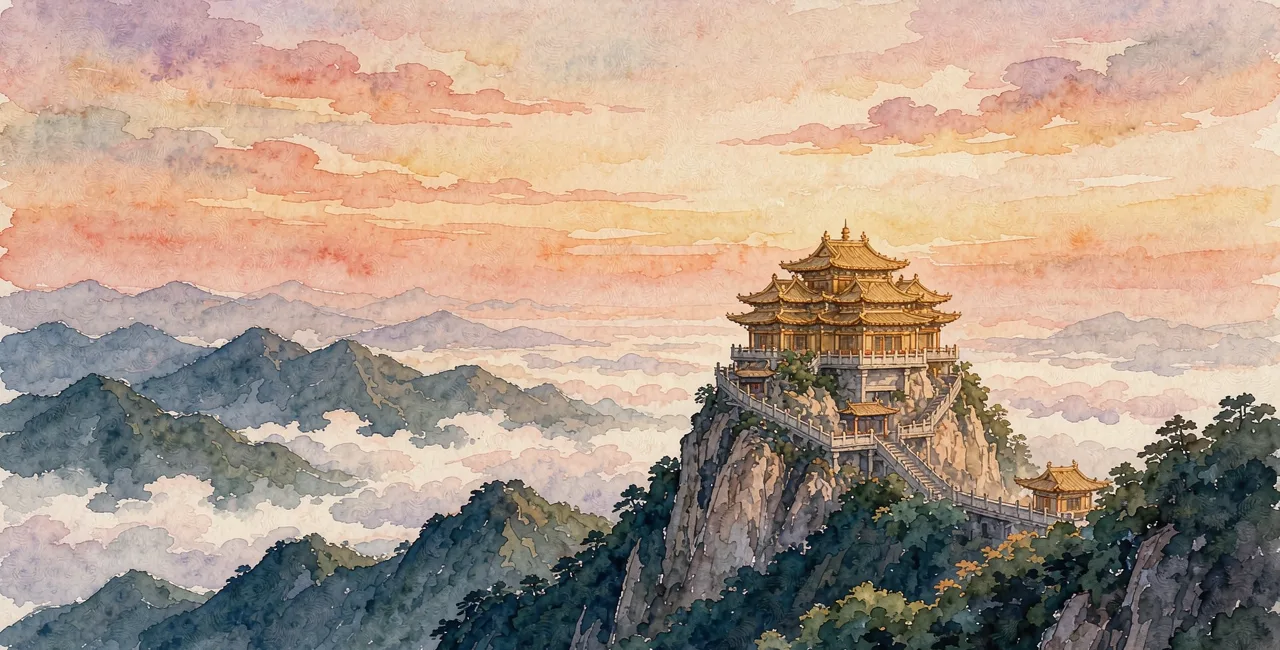
Laojun Mountain, locally Laojunshan, rises in the Funiu range about two to two and a half hours southwest of Luoyang by road. Its draw is the golden summit temple complex above a rolling sea of clouds, best caught at dusk when the light catches the peaks, and in winter the mountain becomes a snow-viewing destination that draws domestic visitors. Admission is about 100 yuan, and most visitors add the cable cars, roughly 130 yuan for a first-class round trip, because the ascent on foot is long and steep. Plan a full day: leave the city in the morning, ride up, walk the summit ridge and temples, and return before dark. Weather changes fast at altitude, so layer clothing and check the forecast the night before. In clear conditions the sea of clouds is the payoff; on a grey day the mountain is still dramatic but far less photogenic, so build in flexibility if your schedule allows.
Food, neighborhoods and responsible travel
Luoyang's signature meal is the water banquet, a sequence of soups and stews served at table that locals trace back to Tang-dynasty court cuisine; a modest banquet runs 60 to 150 yuan and is best shared between two or three people. The city also does excellent beef-broth noodles and a range of street snacks around the old-town night markets. Luoyi Ancient City, a rebuilt pedestrian quarter, is free but may require a reservation at busy times and is pleasant for an evening stroll rather than a deep history lesson. At temples, keep your voice low, ask before photographing any ceremony, and dress modestly for the halls. For any health, safety or seasonal travel decision, rely on current official notices rather than a static article, because ticket rules and opening hours shift. This guide is a planning framework, not a substitute for an attraction's latest information.