How to structure a first visit
Beijing rewards a neighborhood-based plan. Keep the Palace Museum, Tian'anmen area, Jingshan and the hutongs together on one central-city day, then reserve a separate day for a Great Wall section. The Summer Palace and the university district fit naturally into a north-west day. Distances are larger than the map suggests, security checks are common at major sites, and many museums close on Mondays, so avoid building an itinerary that depends on crossing the city several times.
Reservations and practical preparation
Popular heritage sites may use real-name, timed reservations. Carry the same passport used for booking and check the attraction's official channel shortly before visiting because release windows and entry procedures can change. Save hotel and attraction names in Chinese, allow extra time for security, and keep a backup payment method. The subway is usually the most predictable way to move through the central districts; a licensed taxi or ride-hailing service is useful for early departures and suburban transfers.
Choosing a Great Wall day
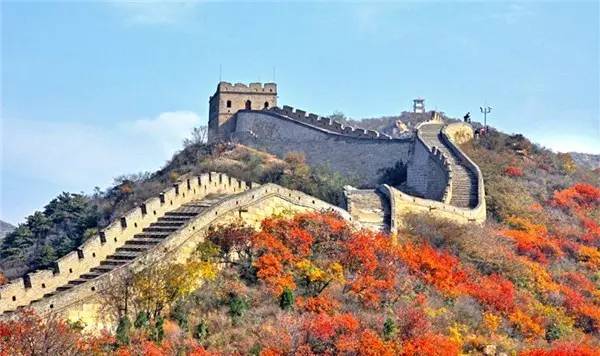
Mutianyu is a practical choice for many first-time visitors because it combines restored walking sections with visitor facilities. Other sections offer different levels of restoration, crowding and hiking difficulty. Treat the outing as a full-day commitment, confirm the last return service before leaving the city, and choose footwear for steep and uneven steps. Weather on the wall can feel very different from central Beijing, especially in winter or during summer storms.
Food, neighborhoods and responsible travel
Beyond roast duck, look for Beijing-style noodles, dumplings and halal dishes around established local restaurants. Hutongs are living residential areas rather than outdoor sets: keep noise low, do not photograph residents without permission and respect private courtyards. For air quality, heat, visa, health and safety decisions, use current official sources rather than a static travel article. This guide is a planning framework, not a substitute for an attraction's latest notice.
Getting around Beijing
The subway is the backbone of visitor movement in Beijing: it is cheap, bilingual in signage and immune to surface traffic, though stations are large and transfers can involve long walks — budget more time than the map suggests. Airport express lines connect the two airports to the metro network. Ride-hailing through DiDi is the practical choice for early Great Wall departures and late returns, and taxis are metered and plentiful. Rush-hour congestion on the ring roads is severe, so schedule cross-city movements outside the morning and evening peaks. Bicycles and shared bikes work well inside the hutong areas where streets are narrow and driving is restricted.
Beyond the classic checklist
Beijing's contemporary layers reward time too. The 798 Art District occupies former factory halls with galleries and studios; the Olympic area shows the city's modern face at night; and temples such as Lama Temple and the Confucius Temple offer quieter contrasts to the imperial sites. Contemporary Beijing also lives in its food streets, tea houses and weekend markets. Give at least one afternoon of your trip to something beyond the headline sights — first-time visitors who only chase landmarks usually leave feeling they saw a checklist rather than a city.