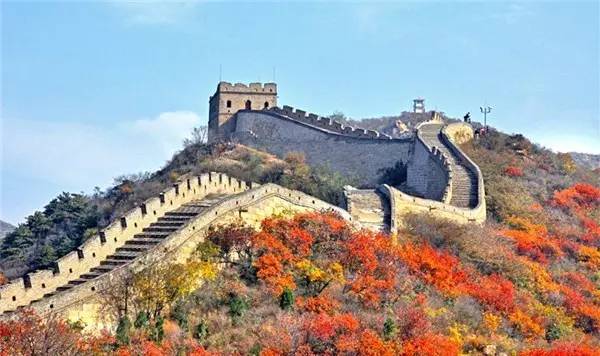
Plan around the walled city
Xi'an's historic core is unusually legible: the City Wall encloses a central grid, with the Bell and Drum Towers near the middle and the Muslim Quarter nearby. Use this area for an arrival afternoon or evening, then give the Terracotta Army a separate half or full day because it lies well outside the center. The Giant Wild Goose Pagoda and museums south of the wall form another natural cluster. This structure reduces backtracking and leaves time for the city after its headline attraction.
Terracotta Army day
Treat the Emperor Qinshihuang's Mausoleum Site Museum as a major excursion rather than a quick stop. Confirm its official reservation and identity-document rules before departure, carry the passport used to book, and allow for transport plus security queues. Independent public transport and organized transfers can both work; compare the return schedule rather than accepting unsolicited offers around stations. A guide can add historical context, but use licensed services and agree on the scope and price first.
History beyond one dynasty
Xi'an was a capital across several dynasties and an eastern hub of Silk Road exchange. The Shaanxi History Museum, City Wall, pagodas, temples and archaeological sites reveal different periods, so avoid presenting the city only through Qin warriors or Tang-style performances. Museums may require advance reservations and may close on selected days. Read current venue notices, and distinguish reconstructed entertainment districts from preserved monuments when planning expectations.
Food and respectful visiting
The city is known for wheat-based foods such as biangbiang noodles and roujiamo, while the Muslim Quarter and surrounding lanes reflect a living Hui community. Visit with normal neighborhood etiquette: do not block worshippers or vendors for photographs, ask before photographing people and be clear about dietary needs. Summers can be very hot and winters cold and dry, so schedule exposed wall walks for the gentler part of the day.