Old Shanghai and the modern skyline
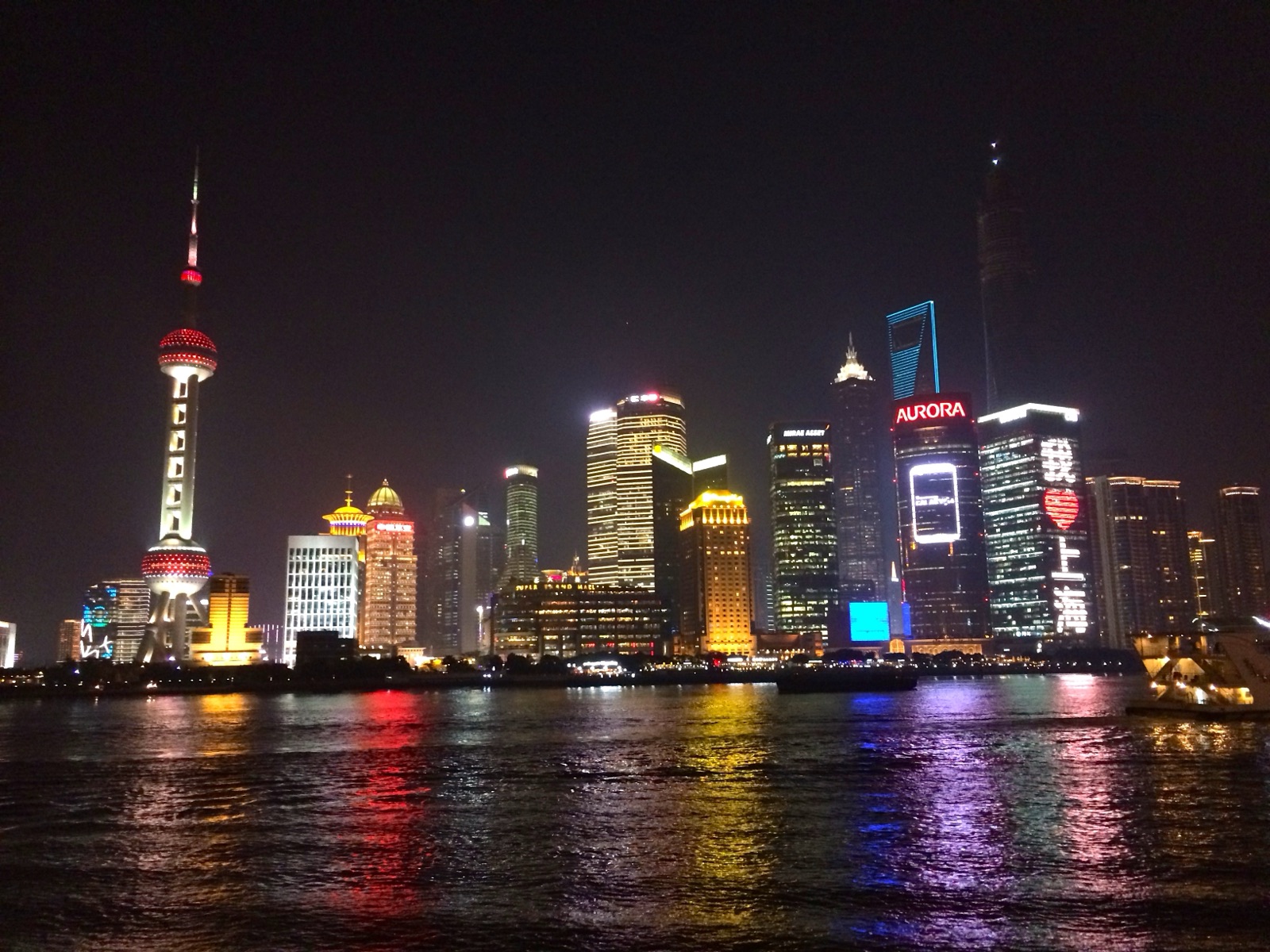
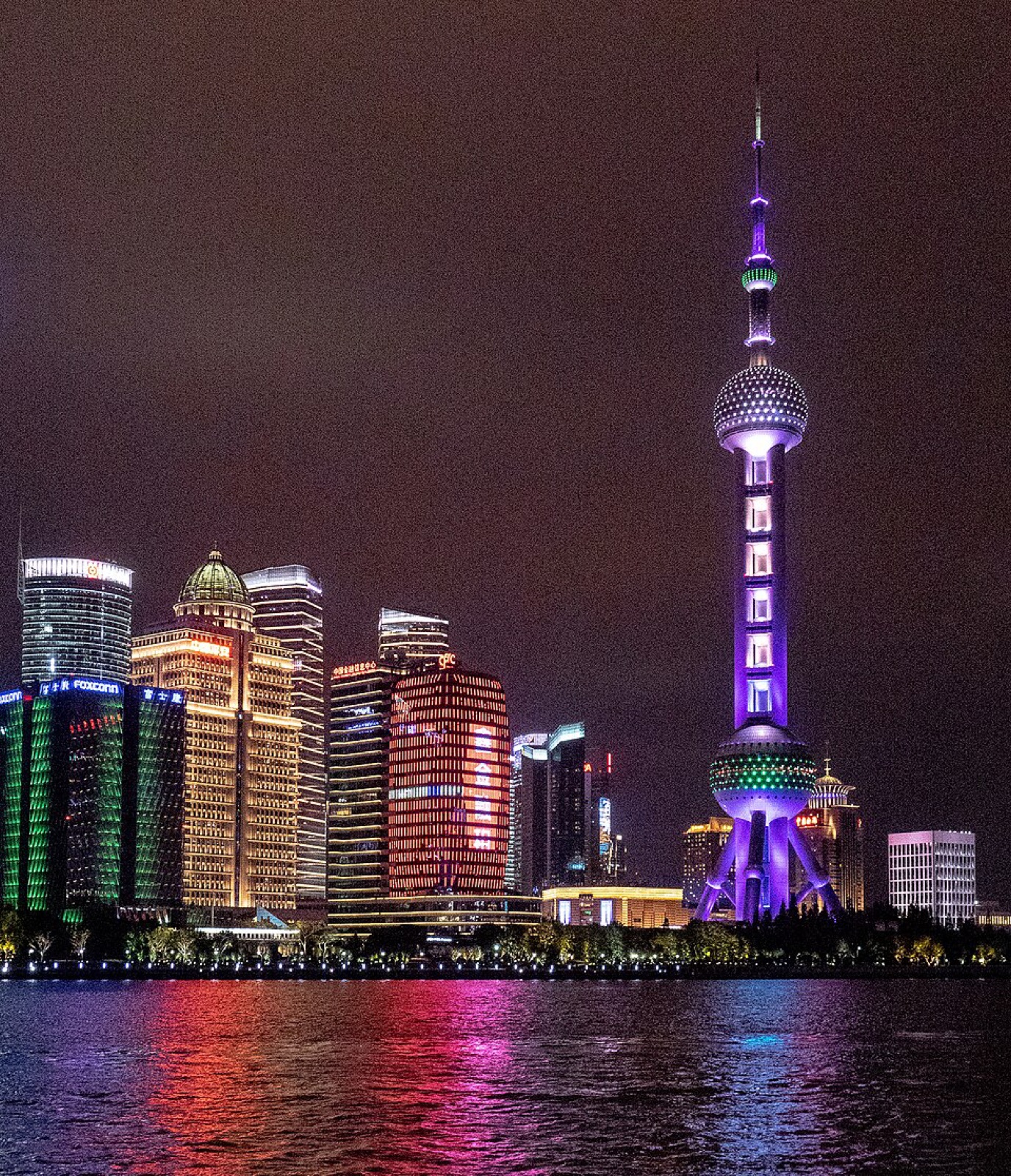
Shanghai is easiest to understand by using the Huangpu River as an organizing line. The Bund presents the city's historic commercial waterfront, while Lujiazui across the river concentrates observation decks and contemporary towers. Walk the Bund early for clearer sightlines or return after dark for the illuminated skyline, but expect heavy crowds on weekends and public holidays. A ferry can be a practical river crossing as well as a view, while metro lines provide the most reliable longer transfers.
A compact first-time itinerary
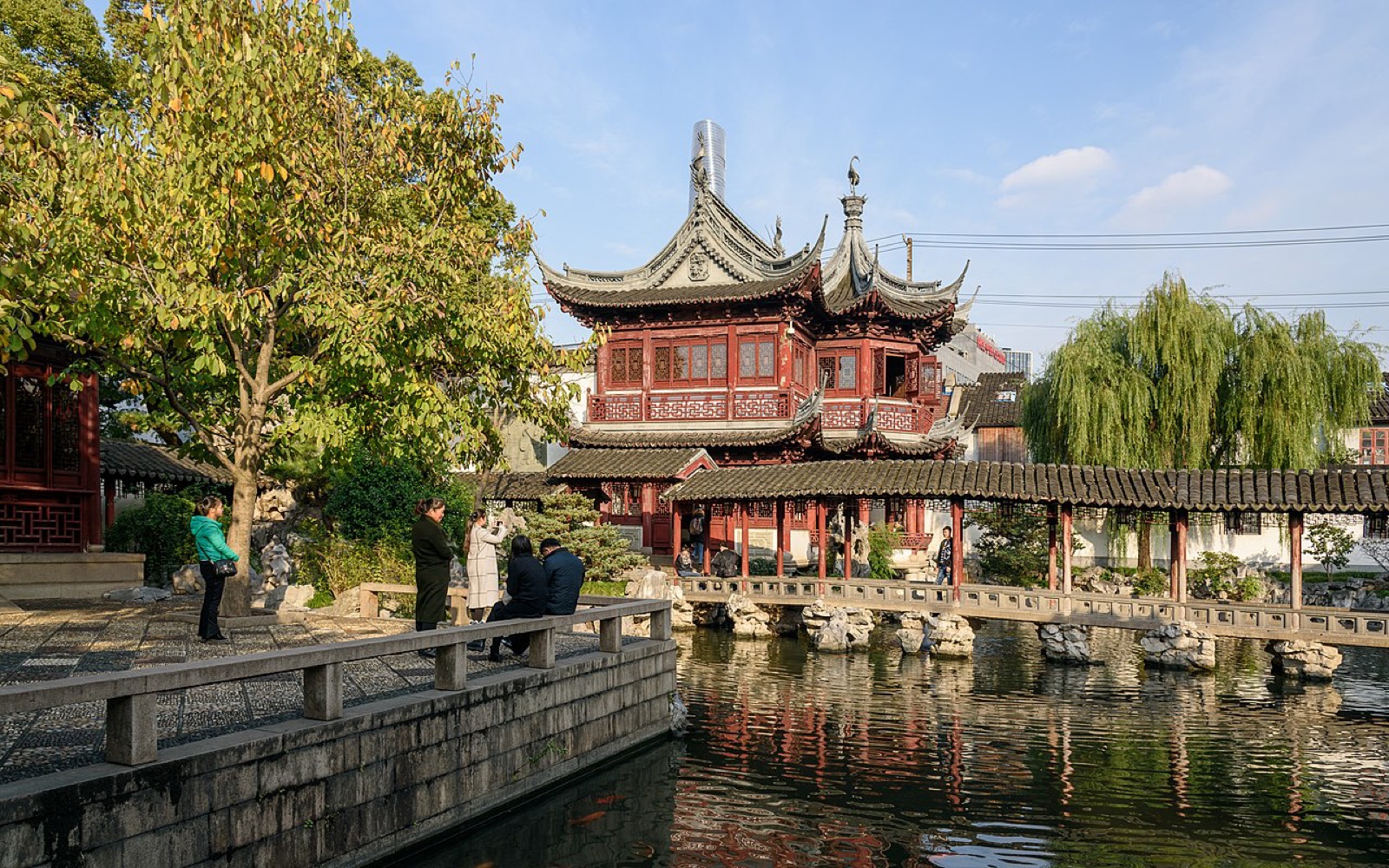
Pair the Bund with Nanjing Road and People's Square on one day. Use another half or full day for Yu Garden, the old-city lanes and a chosen museum or design district. Avoid treating every landmark as a photo stop: Shanghai's character is also found in the plane-tree-lined streets, lilong neighborhoods and small food shops west of the river. Choose one or two districts each day so that transit does not consume the visit.
Tickets, transport and payment
The Bund promenade itself is public, but observation decks, gardens, museums and cruises operate their own ticket and reservation systems. Check the official Shanghai tourism portal or venue before travel, especially for closing days and holiday controls. Metro signage is widely bilingual. Keep the Chinese address for smaller venues and the exact entrance for large complexes, because a single block can have several gates. Mobile payment is common, but visitors should keep an alternative card or cash option.
Food and seasonal planning
Shanghai specialties include xiaolongbao, shengjian mantou and scallion-oil noodles. Choose busy, established vendors and order modestly at first because dumpling fillings and serving styles vary. Summers can be hot and humid and the plum-rain period can disrupt outdoor plans; winters are damp and feel colder than the temperature suggests. Build a museum or covered-market alternative into each day and verify severe-weather and transport notices close to departure.