Lijiang

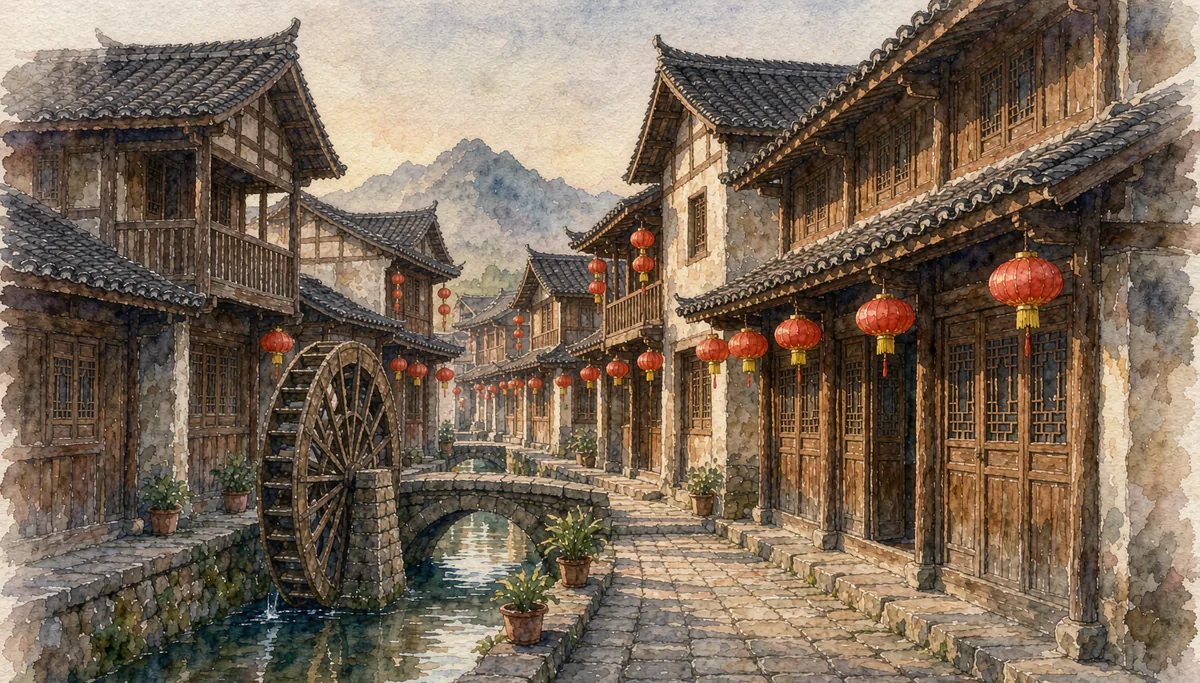
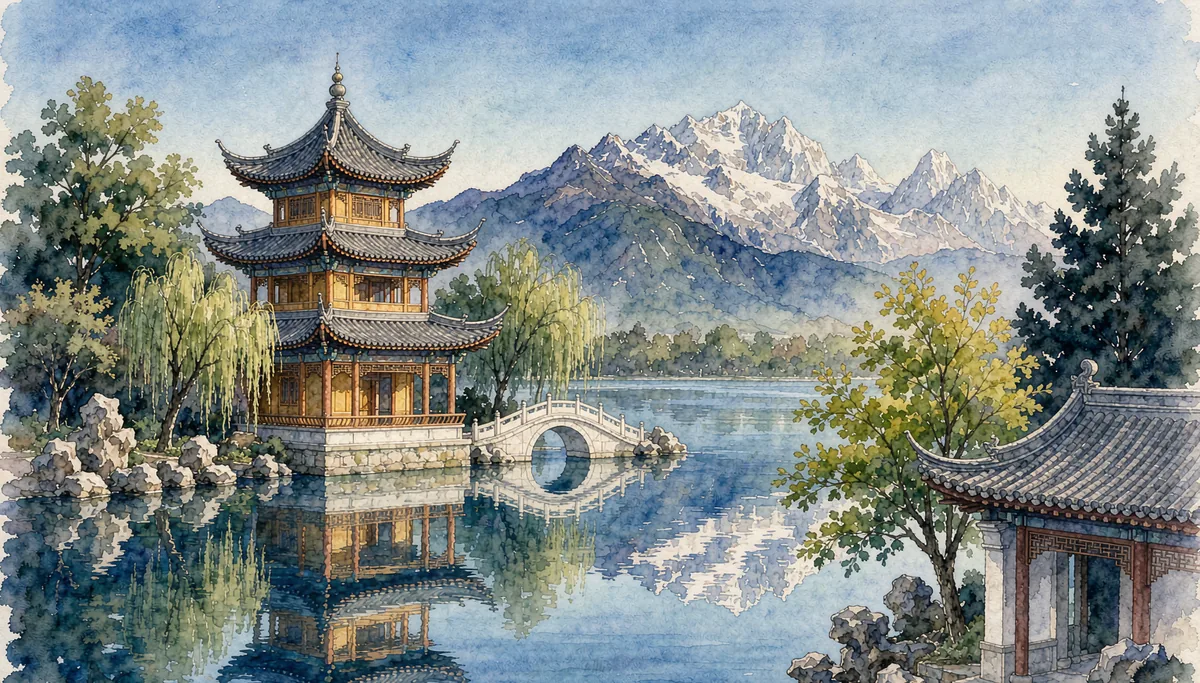
Naxi old town lanes at 2,400 metres, with Jade Dragon Snow Mountain and Black Dragon Pool above them

By Chloe Zao, Cities & Itineraries Editor at 2Travel2China

Planning window
March to May, September to November
Common languages
Mandarin Chinese; Naxi language and Dongba culture locally
Currency
Chinese Yuan (CNY)
Guide verified
Lijiang city view

Independently edited

Plan a thoughtful visit to Lijiang

Practical context for first-time international visitors. Verify time-sensitive rules with the official links below.

How many days Lijiang needs, and in what order

Allow three days and put the mountain last. Lijiang's old town sits at roughly 2,400 metres, while the Jade Dragon Snow Mountain cableway reaches a viewing area at 4,680 metres; ascending on your first day after a flight is the most common way to spoil a trip. Spend day one on the canal lanes and the Mu Family Mansion, day two on Black Dragon Pool plus the quieter Shuhe or Baisha districts, and day three on the mountain. Two days is workable if you drop the glacier cableway and use Blue Moon Valley instead. A single day covers the old town only and misses the reason the town was built where it is.

The old-town maintenance fee after the August 2025 rule change

A revised Lijiang municipal regulation effective 1 August 2025 kept the old-town maintenance fee at ¥50 per person but extended a single payment's validity from one trip to 365 days. It applies to the Dayan old town including Black Dragon Pool, Baisha and Shuhe, and eight categories of visitors are exempt, including children under 12 or under 1.2 metres, adults aged 60 or above, disabled visitors and serving military personnel. The protection authority states the fee is currently checked at Black Dragon Pool, while the open streets are not routinely checked for independent travellers; tour operators generally collect it from groups. Keep the electronic receipt, because some visitors report it being requested when buying tickets elsewhere in the area.

Booking Jade Dragon Snow Mountain without overpaying

The glacier cableway to the 4,680-metre viewing area runs on a limited daily quota that sells out in peak weeks, so book the official slot as soon as your dates are fixed. The scenic-area admission, the cableway, the internal shuttle and optional items such as the Impression Lijiang show are separate line items, and third-party packages bundle them with oxygen, a padded coat and a meal at widely varying markups. The lower Yunshanping cableway and Blue Moon Valley are cheaper and involve far less altitude gain, and they remain rewarding if the summit is clouded in. Compare what is actually included before paying, and do not treat an oxygen canister as a substitute for a slow first day.

Altitude, sun and weather at 2,400 to 4,680 metres

Lijiang is high enough that a same-day flight plus a summit ascent commonly produces headache, poor sleep and shortness of breath. Drink water, avoid alcohol on arrival, and leave the mountain for day three. Ultraviolet exposure is strong even in cool weather, so use sunscreen, a hat and sunglasses, and carry a warm layer: the old town can be mild at midday while the upper cableway station is near freezing with wind. The snow peak is often hidden by cloud by late morning, which is why an early slot matters. Winter brings clearer views but colder stations; the summer rainy season from June to August brings afternoon cloud and occasional cableway suspension.

Beyond Dayan: Shuhe, Baisha and the quiet half of the heritage area

The heritage designation covers more than the busy lanes around Sifang Street. Shuhe, a short ride north, has the same canals and timber houses with far fewer souvenir shops, and Baisha, closer to the mountain, is known for Naxi mural painting, small cafés and a direct view of the snow ridge. Both are part of the same ¥50 fee area and are the best escape from the old town's evening crowds. Black Dragon Pool at the northern edge of Dayan is the classic reflection viewpoint: on a clear morning the marble bridge, the De Yue pavilion and the snow peak line up in the water. Visit it early, because the fee check and the tour groups both arrive later in the day.

Arrival, payment and where to sleep

Lijiang is served by Lijiang Sanyi airport and by rail links toward Dali and Kunming, with the old town a short road transfer from either. Inside the heritage area, luggage has to be pulled over stone paving and small bridges, so choose a guesthouse near the edge of the old town rather than deep in its centre, and confirm the property is registered to accept foreign guests. Set up Alipay or WeChat Pay before arrival, keep your passport for hotel registration and any fee or ticket checks, and save venue names in Chinese characters for ride-hailing apps. For entry rules, refer to our China visa guide; do not assume a transit visa-free route automatically covers a multi-stop Yunnan trip.
A day-by-day itinerary for Lijiang

A realistic structure for a first visit. Adjust the order to match opening days, weather and your own pace — fewer sights done well beats a checklist.

Day 1

Canals, the Mu mansion and a slow altitude day

Start early, before the shops open, and walk the canal lanes from the big waterwheels toward Sifang Street. The water channels, small stone bridges and carved timber façades are the reason the town is a World Heritage site, and they are almost empty at 08:00. Climb toward Lion Hill or the Wangu Tower area for the rooftop panorama, then visit the Mu Family Mansion if you want the structured history of the Naxi ruling family. Keep this day deliberately gentle: a flight into a 2,400-metre town is enough physiological change without adding a summit ascent.

In the afternoon, settle into the lane network rather than chasing a checklist, and use the time to confirm the next days' practical items: the mountain cableway slot, the official maintenance-fee channel and the weather forecast for the snow ridge. The old town becomes loud and brightly lit after dark, which some visitors love and others find overwhelming; staying near its edge gives you both options. Eat a light dinner, drink water and avoid alcohol if you plan to ascend on day three.

  • Walk the canals before 08:00 for the quiet version of the old town
  • Keep the first day low-intensity to adjust to 2,400 metres
  • Confirm the glacier cableway slot while you are still in town
Day 2

Black Dragon Pool, Shuhe and Baisha

Go to Black Dragon Pool early on a clear morning, when the marble bridge, the De Yue pavilion and Jade Dragon Snow Mountain still line up in a still reflection. This is one of the few places where the ¥50 maintenance fee is actually checked, so have the receipt or be ready to pay it; the 365-day validity means it also covers later entries and the other heritage zones. Allow an hour or two, then take a short ride to Shuhe for a quieter version of the same canals and timber houses.

Continue to Baisha if you want the mountain view from village streets and the small Naxi mural tradition, or stay in Shuhe for a teahouse afternoon. These districts are part of the same World Heritage area, not separate paid attractions, and they are the best value in Lijiang because they cost nothing beyond the single fee. Return to Dayan before dark if that is where you are staying, and use the evening to prepare warm layers, sun protection and water for the mountain day. Check the official channel for any weather-related cableway suspension.

  • The ¥50 fee is valid 365 days and covers Dayan, Shuhe and Baisha
  • Black Dragon Pool is the classic snow-mountain reflection viewpoint
  • Carry the electronic fee receipt for checks elsewhere in the area
Day 3

Jade Dragon Snow Mountain and Blue Moon Valley

Take the earliest booked slot for the glacier cableway and the internal shuttle. The upper station and viewing area sit around 4,680 metres, more than 2,000 metres above town, so walk slowly, use the handrails and turn back if a headache or dizziness builds. Cloud commonly rolls in by late morning, which is the main reason to start early. If the summit slot is unavailable or the weather closes it, use the lower Yunshanping cableway instead rather than buying a heavily marked-up reseller package on the day.

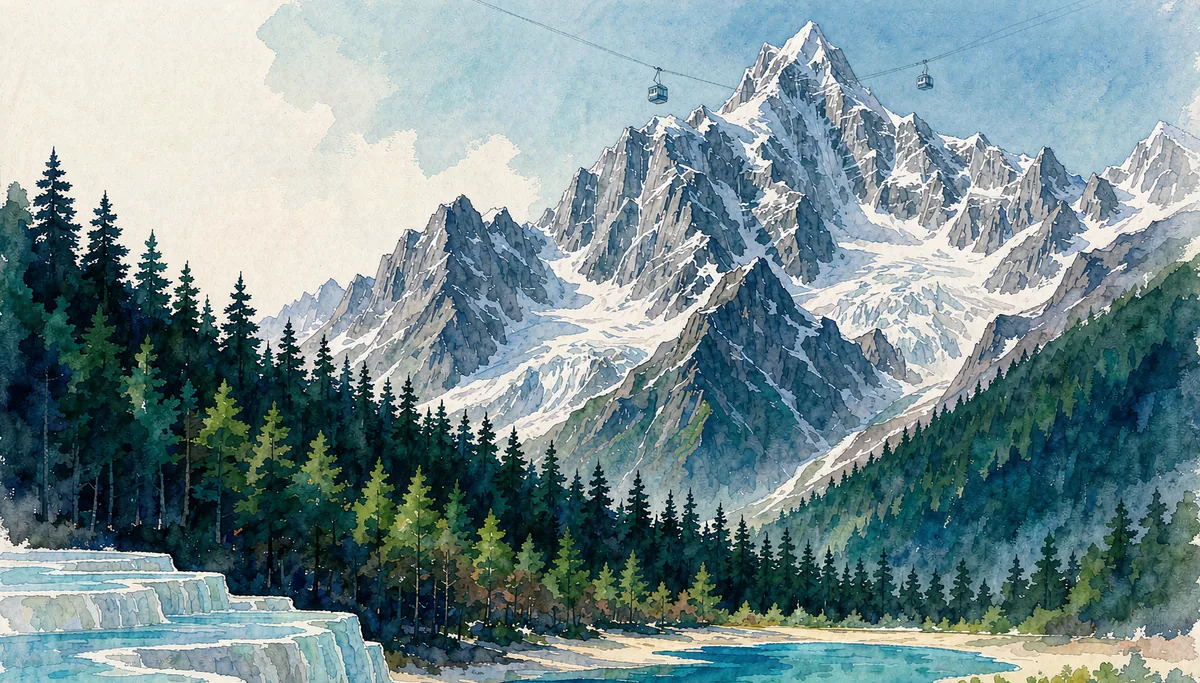
Descend to Blue Moon Valley in the early afternoon. Its terraced turquoise pools, pale mineral beds and direct view of the snow ridge are visually distinctive and require far less altitude exposure than the upper station. Skip add-ons you do not need — oxygen, a padded coat and a buffet lunch are commonly bundled rather than mandated — and compare the official line items before paying. Return to town with a buffer before any onward flight or train, and re-check the official scenic-area channel for seasonal shuttle times.

  • Ascend on day three, not on arrival day
  • Blue Moon Valley is the low-altitude alternative to the glacier cableway
  • Oxygen, coats and shows are bundled add-ons, not official requirements

Where to stay

  • The edge of Dayan old town is the best compromise: you can walk to the canals and Sifang Street in a few minutes but still reach a car with luggage. Deep inside the lane network, stone paving and small bridges make suitcases genuinely awkward, and evening bar noise carries through timber walls.
  • Shuhe suits travellers who want the heritage setting without the crowds. It has the same canals and Naxi houses, quieter guesthouses and a short road transfer to Dayan; it is a better base for a third or fourth night than for a first arrival, because airport and station transfers take slightly longer.
  • Baisha is the quietest of the three heritage zones and sits closest to the mountain, with small cafés and direct snow-ridge views on clear days. It has fewer restaurants and fewer transport options, so it works best for travellers who have already sorted their cableway booking and do not need to be in Dayan after dark.
  • Confirm that the guesthouse is registered to accept foreign guests before booking, keep your passport for check-in registration, and ask whether the property can be reached by car — some lanes are pedestrian-only. Save the address in Chinese characters for ride-hailing apps.
  • Book ahead for March to May, September to November and the first week of October, when both rooms and glacier cableway slots tighten. Winter is cold at night but offers the clearest mountain views, and the rainy season from June to August brings cheaper rooms and more cloud.

Budget notes

  • The old town itself is free to walk. The main fixed charge is the ¥50 per person maintenance fee, valid 365 days since the rules effective 1 August 2025 and covering Dayan, Shuhe and Baisha; eight visitor categories are exempt. Individual buildings such as the Mu Family Mansion and Wangu Tower have their own modest tickets of roughly ¥30–40.
  • The mountain day is the largest variable. Scenic-area admission, the glacier cableway, the internal shuttle and the Impression Lijiang show are separate items, and reseller packages that bundle them with oxygen, coat rental and lunch range widely in price. Compare the official line items before paying; the lower Yunshanping cableway and Blue Moon Valley are the cheaper alternative.
  • Accommodation is good value outside peak weeks: a Naxi guesthouse room commonly runs ¥150–400, with courtyard boutiques higher and simple hostel beds lower. Rates rise sharply during spring blossom, autumn and the October holiday, when the same cableway slots also sell out.
  • Food ranges from ¥15–30 for a bowl of Naxi noodles or a baked baba flatbread to ¥60–120 for a sit-down dinner with local cured meat and wild mushrooms. Teahouses and bars in the old town price by seat and by time, so ask before sitting down; a quiet tea in Shuhe is usually far cheaper than one on Sifang Street.
  • Transfers are modest but add up: airport and rail station rides are short, and a booked car to the mountain is cheaper than repeated ride-hailing in peak season. The real cost of a badly planned mountain day is a wasted cableway slot, not the fare.

Lijiang travel questions

Do I have to pay the Lijiang old-town maintenance fee?

A ¥50 per person fee applies to the Dayan, Shuhe and Baisha heritage zones. Under the revised rules effective 1 August 2025 one payment is valid for 365 days, and eight categories of visitors are exempt. The protection authority says it is currently checked when entering Black Dragon Pool, while the open streets are not routinely checked for independent travellers; keep the electronic receipt.

How many days should I spend in Lijiang?

Three days is the practical minimum: one for the old town, one for Black Dragon Pool plus Shuhe or Baisha, and one for Jade Dragon Snow Mountain. Putting the mountain last also lets you adjust to the town's 2,400-metre altitude before an ascent to 4,680 metres. Two days works if you skip the glacier cableway and use Blue Moon Valley instead.

Is altitude sickness a real concern in Lijiang?

Yes, but it is usually manageable. Lijiang town is around 2,400 metres and the glacier cableway viewing area around 4,680 metres, a jump large enough to cause headache, dizziness or poor sleep. Avoid a summit ascent on arrival day, drink water, skip alcohol on the first night, walk slowly at the top and descend if symptoms build.

Do I need to book the Jade Dragon Snow Mountain cableway?

Yes, well ahead in peak season. The glacier cableway to 4,680 metres runs on a limited daily slot quota that sells out, and weather can suspend it. Book through the official scenic-area channel, start early before cloud builds, and keep the lower Yunshanping cableway and Blue Moon Valley as a cheaper, lower-altitude fallback.

Where is the best view of the snow mountain?

Black Dragon Pool on a clear early morning is the classic viewpoint: the marble bridge, the De Yue pavilion and the snow ridge align in the water. Baisha village, closer to the mountain, gives a more open street-level view with far fewer crowds. Both are covered by the same 365-day maintenance fee, and both are best before late-morning cloud arrives.

Key places and realistic planning notes

No placeholder ratings or universal ticket claims—each note is specific to the named place.

Lijiang Old Town

Lijiang Old Town

A UNESCO-listed Naxi town of timber houses, canals, waterwheels and stone lanes

Planning estimate
Allow a full gentle day plus an evening walk
Admission note
Open lanes are free; ¥50 maintenance fee valid 365 days since 1 Aug 2025
Area
Dayan old town, UNESCO World Cultural Heritage site since 1997
Jade Dragon Snow Mountain

Jade Dragon Snow Mountain

A glacier-clad 5,596-metre massif with a cableway to 4,680 metres and Blue Moon Valley

Planning estimate
Allow a full day with an early booked cableway slot
Admission note
Scenic ticket, glacier cableway and shuttle are separate items; slots limited
Area
About 5,596 m summit; glacier viewing area around 4,680 m
Black Dragon Pool

Black Dragon Pool

A still pond with a marble bridge and pavilion that reflects the snow mountain

Planning estimate
Allow one to two hours early on a clear morning
Admission note
Maintenance fee is checked here; receipt valid 365 days
Area
Northern edge of Dayan old town, beside the heritage zone

Before you go

  • Book the glacier cableway slot before arrival
  • Keep the 365-day maintenance-fee receipt
  • Leave the mountain for day three
  • Carry sun protection and a warm layer

Getting around

  • Walking the stone lanes of the old town
  • Short taxis or ride-hailing to Shuhe and Baisha
  • Official mountain shuttle and cableways
  • Rail links toward Dali and Kunming

Local foods to explore

  • Naxi baba flatbread
  • Lijiang cured pork rib hotpot
  • Chicken bean jelly with chilli and vinegar
  • Wild mushroom dishes in the rainy season
  • Butter tea and local pu-erh

Official sources and updates

Opening hours, booking rules, transport and weather can change. Check these first-party sources before travel.

Editorial review date: . Report corrections through our contact page.

Explore Lijiang on the map

Map data © OpenStreetMap contributors. Confirm entrances and live routing independently.