Huangshan

Granite peaks above a cloud sea, plus the Huizhou villages of Hongcun and Xidi

By Chloe Zao, Cities & Itineraries Editor at 2Travel2China

Planning window
April to June, September to November; December to February for snow
Common languages
Mandarin Chinese; Huizhou dialect locally
Currency
Chinese Yuan (CNY)
Guide verified
Huangshan city view

Independently edited

Plan a thoughtful visit to Huangshan

Practical context for first-time international visitors. Verify time-sensitive rules with the official links below.

Huangshan City, Huangshan District and the mountain are three places

Check the address before you book anything. Huangshan City is the prefecture whose urban centre is Tunxi, home to Huangshan North high-speed station and the old Tunxi street; Huangshan District is a separate administrative area; and the scenic area gates are at Tangkou, roughly an hour by road from the station. A hotel in Tunxi is fine for an evening arrival or a village day, but it does not put you near a summit sunrise. Most first-time itineraries fail at this distinction rather than at the mountain itself, so decide whether each night is a Tangkou night, a summit night or a Tunxi night and book accordingly.

The three-day ticket rule that most English guides omit

A single Huangshan summit ticket is valid for three consecutive days with repeated entry, according to the scenic area committee's published winter policy. There is one condition that is easy to miss: the multi-entry right is activated only when you complete the ticket check at the gate on day one. A reservation that is never validated does not activate it. For later entries, select the 'multiple-entry ticket' type in the official Huangshan Tourism mini-program, complete the reservation and enter with your identity document. This converts one admission into a three-day trip and makes a summit sunrise plus a canyon day genuinely affordable.

Published 2026 prices for tickets and cableways

The official 2026 policy sets the peak-season full ticket at ¥190 and the winter full ticket at ¥150, with concessions at ¥95 and ¥75; winter runs from 20 December 2025 to 20 January 2026 and peak season from 21 January to 19 December 2026. Cableways are separate one-way charges: in peak season Yungu and Taiping are ¥80, Yuping ¥90 and the West Sea Grand Canyon cable car ¥100, while winter rates are ¥65, ¥75 and ¥80. Children between 1.2 and 1.5 metres receive reduced cableway rates. Confirm the current notice before paying, because seasonal boundaries and maintenance closures can shift.

How to build a summit route that does not exhaust you

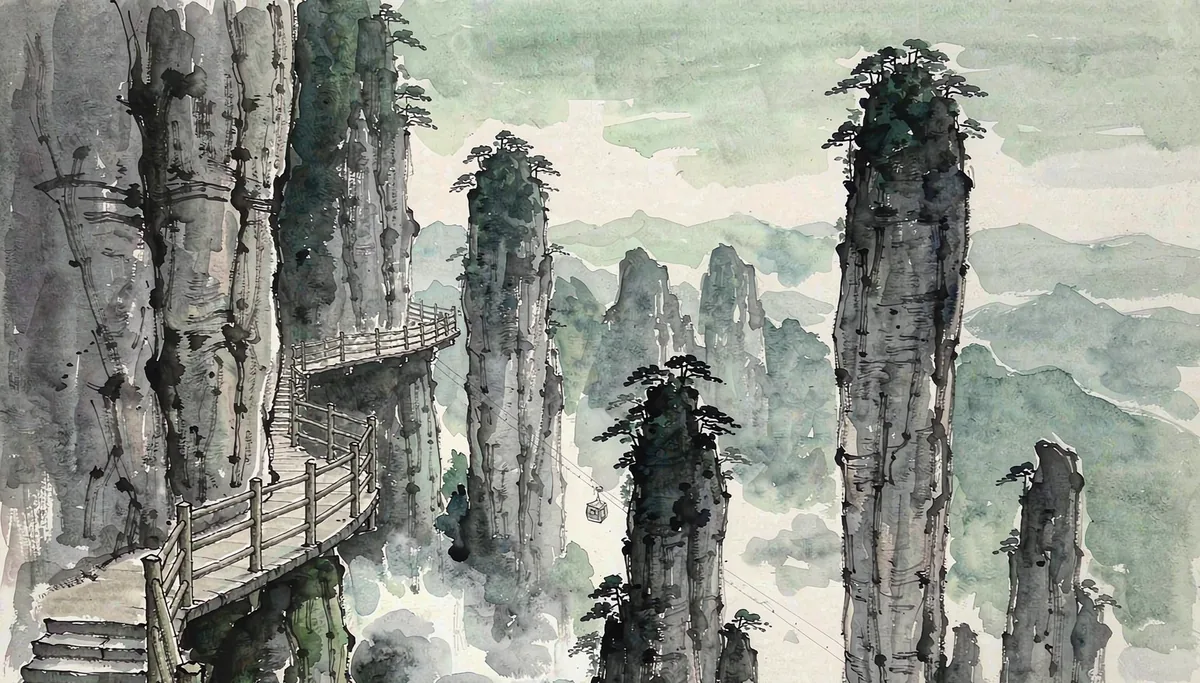
Use a cableway for the ascent and keep your walking for the ridge loops. A common first day is the Yungu cableway up, the Beginning-to-Believe Peak and the Beihai ridge area, then either Bright Summit for a wide panorama or the Yuping cableway down past the Guest-Greeting Pine. Climbing from the valley floor on foot adds thousands of stone steps and consumes the day you need for the views. The West Sea Grand Canyon deserves its own day: its cliff-hugging plank walkways, narrow rock towers and descending cable car are the most dramatic part of the mountain and the most physically demanding. Some peaks rotate closures for ecological recovery, so check which are open before fixing a route.

Cloud sea, sunrise and the weather you cannot book

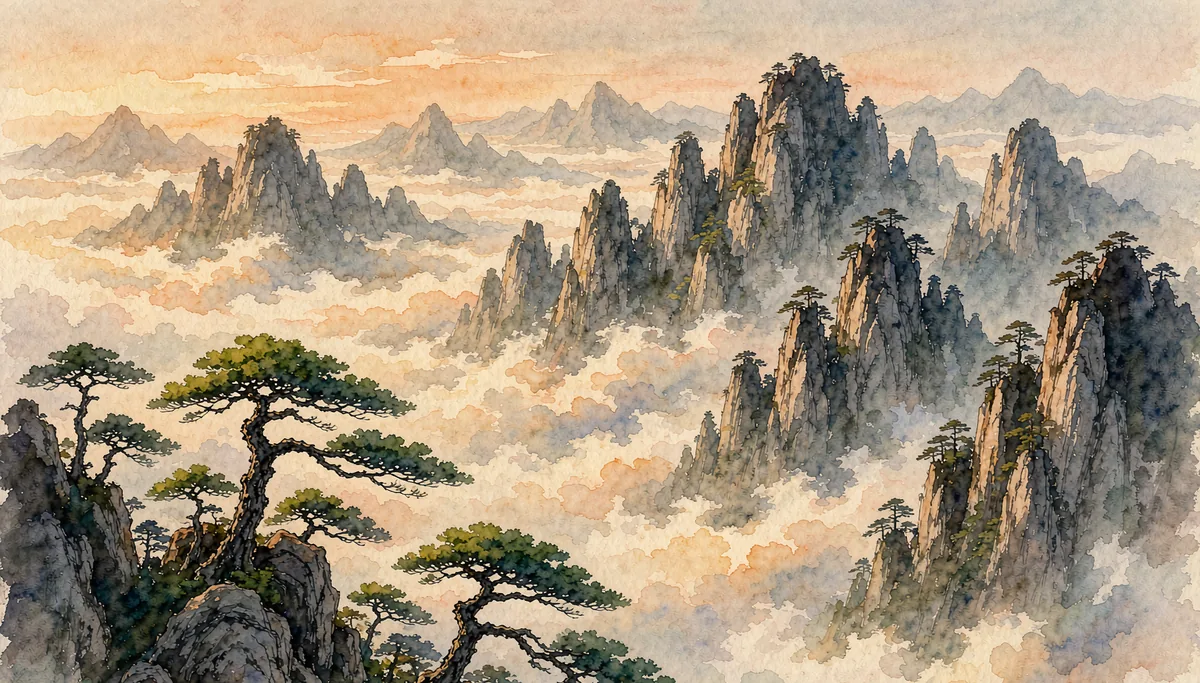
The famous sea of clouds is a weather event, not a guaranteed sight. It appears most often after rain or in the cool months when a low cloud base sits below the summit ridges, and it can vanish within an hour of sunrise. Build two summit mornings rather than one, which is another reason the three-day ticket matters. Spring brings blossom and mist, autumn the clearest air, winter snow and ice on exposed steps, and the summer rainy season heavy cloud and afternoon storms. Carry a rain shell, shoes with grip and a warm layer even in summer; summit hotels are expensive precisely because they buy you a sunrise without a pre-dawn cableway queue.

The Huizhou villages below the mountain

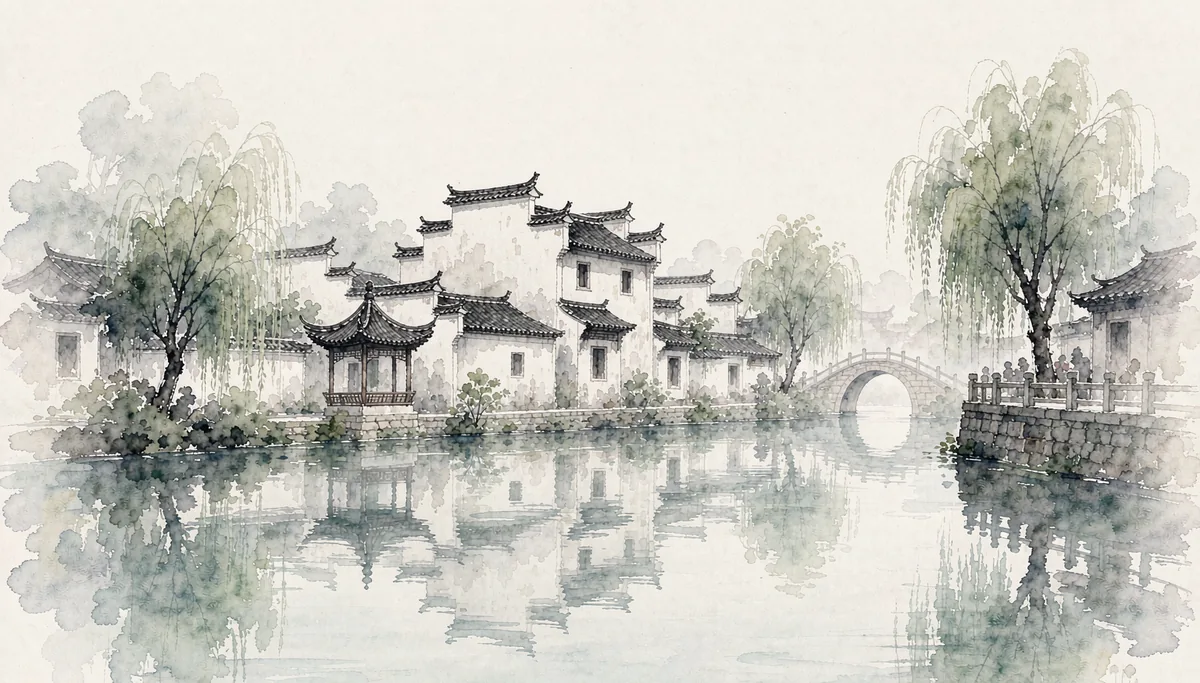
Hongcun and Xidi are part of a separate UNESCO World Cultural Heritage listing and make the ideal third day. Hongcun is built around a crescent Moon Pond and a larger South Lake, with whitewashed Huizhou houses, stepped horse-head gables and an arched stone bridge reflected in still water; it is flat, shaded and photogenic in almost any weather. Xidi is a village of lanes and memorial archways with a similar palette. Each has its own admission, commonly listed around ¥94 on booking platforms, and buses link them to Tangkou, Huangshan North station and Yixian East station. Do not try to squeeze a village into a summit day.
A day-by-day itinerary for Huangshan

A realistic structure for a first visit. Adjust the order to match opening days, weather and your own pace — fewer sights done well beats a checklist.

Day 1

Tangkou, a cableway ascent and the northern ridges

Base yourself at Tangkou the night before or arrive early from Huangshan North station, then take the shuttle from the south-gate transfer centre to the Yungu cableway. Validate your ticket at the gate on this first entry — that check is what activates the three-day, multiple-entry right. Ride the cableway up rather than climbing the stone steps, and spend the day on the Beihai ridge, Beginning-to-Believe Peak and the pine-framed viewpoints. Keep the pace slow: almost every route here is stairs, and the altitude change is tiring even for fit walkers.

In the afternoon, continue toward Bright Summit if the cloud base is low or stay in the northern area if it is clear, because the panorama changes hour by hour. Check the official notice board for any rotating peak closures before committing to a long spur. Descend by cableway well before the last shuttle, or check into a summit hotel if you want sunrise without a pre-dawn queue. Either way, keep day one moderate so the canyon day is still enjoyable, and retain the electronic ticket for the next two entries.

  • Validating the ticket at the gate activates three-day repeated entry
  • Ascend by cableway and save your legs for the ridge loops
  • Check rotating peak closures on the official notice before a long spur
Day 2

West Sea Grand Canyon and a second cloud-sea chance

Use your second entry for the West Sea Grand Canyon, the most dramatic and most demanding part of the mountain. The route threads narrow granite pinnacles on cliff-hugging plank walkways and stone steps, with a cable car at the bottom that saves a long climb back out. Start early, carry water and a rain shell, and do not attempt the full canyon circuit if the steps are wet or icy. This is the day to use the multiple-entry ticket type in the official mini-program and bring the same identity document.

Keep the late afternoon as your second chance at a clear panorama or a cloud sea, which is exactly why a three-day ticket is better value than a single day. If the first morning was clouded out, revisit a viewpoint that matters; if it was clear, use the time for the Yuping side and the Guest-Greeting Pine. Summit hotels need to be booked far ahead in peak weeks, and their price reflects the sunrise they buy rather than the room itself. Descend to Tangkou before the last shuttle unless you are staying on the mountain.

  • Select the multiple-entry ticket type in the official mini-program
  • Skip the full canyon circuit on wet or icy steps
  • A second summit morning doubles your chance of a cloud sea
Day 3

Hongcun, Xidi and the flat Huizhou day

Take a bus from Tangkou toward Yixian and spend the morning at Hongcun. The crescent Moon Pond, the arched bridge at South Lake and the whitewashed houses with stepped horse-head gables are the defining images of Huizhou architecture, and the whole village is flat and shaded — a welcome change after two days of stone steps. Arrive early for the still-water reflections, then walk the lanes slowly. Hongcun and Xidi are part of a separate UNESCO World Cultural Heritage listing, and each has its own admission, commonly listed around ¥94 on booking platforms.

Add Xidi in the afternoon if you have the energy, or return via Tunxi Old Street for a low-key final evening near the high-speed station. Check whether your departure is from Huangshan North or Yixian East before choosing the bus, because the two serve different directions. Confirm the return bus timetable before you leave the village, and keep a buffer for the road transfer to the station. If you are continuing to Hangzhou or Shanghai, consult our China visa guide for current entry rules before finalising a multi-stop route.

  • Hongcun and Xidi have separate admissions from the mountain ticket
  • Buses link the villages to Tangkou, Huangshan North and Yixian East
  • Confirm the return bus timetable before leaving the village

Where to stay

  • Tangkou, beside the south-gate transfer centre, is the practical base for a mountain trip: the shuttle to the Yungu and Yuping cableways starts here, guesthouses are good value, and an early start is easy. It is a service town rather than a scenic one, but it is the correct address for most first visits.
  • A summit hotel buys you sunrise and sunset without a pre-dawn cableway queue and makes the three-day ticket far more productive. Rooms are small, expensive and sell out well ahead in spring, autumn and holiday weeks; book early and accept that you are paying for position, not luxury.
  • Tunxi, the urban centre of Huangshan City, suits a late arrival, an early high-speed departure or a Huizhou food evening on Tunxi Old Street. It is roughly an hour by road from the mountain gates, so it is the wrong choice for a sunrise plan despite appearing under the same city name on booking sites.
  • Inside Hongcun or Xidi, a village guesthouse gives you the reflections before the day visitors arrive. It is the best base for a photography-focused third day, but check whether your luggage can be brought in and whether the property is registered to accept foreign guests.
  • Confirm foreign-guest registration and keep your passport for check-in and identity-linked ticket checks. Save each hotel's name and address in Chinese characters, and double-check whether the listing is in Tangkou, Tunxi or Huangshan District — the three are not interchangeable.

Budget notes

  • The official 2026 policy sets a ¥190 peak-season full ticket and ¥150 winter full ticket, with concessions at ¥95 and ¥75, and one ticket covers three consecutive days with repeated entry once validated. That three-day validity makes the effective daily cost far lower than a single-day visit suggests.
  • Cableways are separate one-way charges: ¥80 for Yungu and Taiping, ¥90 for Yuping and ¥100 for the West Sea Grand Canyon cable car in peak season, dropping to ¥65, ¥75 and ¥80 in winter. A two-day summit plan commonly adds ¥160–300 per person in lifts, and the park shuttle from the transfer centre is another small charge.
  • Hongcun and Xidi have their own admissions, commonly listed around ¥94 each on booking platforms, and buses between Tangkou, the villages and the rail stations are modest fares — for example around ¥33 between Huangshan North and the south gate on listed routes. Confirm current bus prices locally.
  • Summit hotels are the largest optional expense, often several times a Tangkou room, and they sell out in peak weeks. Staying below and using two or three ticket days is much cheaper if sunrise is not essential. Food on the summit also costs more because supplies are carried up, so carry water and snacks from Tangkou.
  • A Tangkou mid-range room commonly runs ¥180–450 outside peak weeks, while a village guesthouse is similar or slightly less. Spring blossom, autumn clarity, winter snow and the October holiday all push rates and cableway queues up together, so book a cancellable room and the summit slot at the same time.

Huangshan travel questions

Is the Huangshan ticket valid for more than one day?

Yes. According to the scenic area committee's published policy, one summit ticket is valid for three consecutive days with unlimited re-entry. The right is activated only when you complete the ticket check at the gate on day one — a reservation that is never validated does not activate it. For later entries, select the multiple-entry ticket type in the official mini-program and bring your identity document.

How much is the Huangshan entrance ticket and cableway?

The official 2026 policy sets ¥190 in peak season and ¥150 in winter, with concessions at ¥95 and ¥75. Cableways are separate one-way charges: ¥80 for Yungu and Taiping, ¥90 for Yuping and ¥100 for the West Sea Grand Canyon cable car in peak season, with lower winter rates. Confirm the current notice before paying.

Where should I stay to see the sunrise?

A summit hotel is the reliable option: it puts you at a sunrise viewpoint without a pre-dawn cableway queue, but rooms are expensive and sell out in peak weeks. Tangkou is the practical budget base and works well with the three-day ticket if you are willing to ride up early. A hotel in Tunxi is roughly an hour from the gates and does not suit a sunrise plan.

What is the best time of year for the sea of clouds?

Cloud seas appear most often after rain and in the cooler months when a low cloud base sits below the summit ridges. Autumn generally has the clearest air, winter brings snow and ice on exposed steps, and spring brings mist and blossom. The summer rainy season produces dramatic cloud but also afternoon storms, so plan two summit mornings rather than betting on one.

Are Hongcun and Xidi included in the mountain ticket?

No. Hongcun and Xidi are separate villages with separate admissions, commonly listed around ¥94 each on booking platforms, and they belong to a different UNESCO World Heritage listing. They sit below the mountain near Yixian and are reached by bus from Tangkou or Huangshan North station. Give them their own flat, easy third day rather than squeezing them into a summit day.

Key places and realistic planning notes

No placeholder ratings or universal ticket claims—each note is specific to the named place.

Huangshan Sea of Clouds

Huangshan Sea of Clouds

Granite pinnacles, wind-bent pines and rolling cloud above the summit ridges

Planning estimate
Allow a full summit day plus a second morning for weather luck
Admission note
¥190 peak season / ¥150 winter; three-day repeated entry once validated
Area
UNESCO mixed World Heritage site since 1990; summit ridge routes above Tangkou
West Sea Grand Canyon

West Sea Grand Canyon

A deep gorge of slender rock towers with cliff-hugging plank walkways and a cable car

Planning estimate
Allow a half to full day with an early start
Admission note
Included in the summit ticket; canyon cable car ¥100 peak / ¥80 winter one way
Area
Western side of the summit plateau, reached by plank walkways
Hongcun Ancient Village

Hongcun Ancient Village

A Huizhou village of white walls and horse-head gables mirrored in Moon Pond

Planning estimate
Allow a half-day, ideally early for still-water reflections
Admission note
Separate village admission, commonly listed around ¥94 on booking platforms
Area
Yixian County, part of the Ancient Villages of Southern Anhui World Heritage listing

Before you go

  • Validate the ticket at the gate on day one to activate three-day entry
  • Book summit hotels and cableway slots ahead in peak weeks
  • Check rotating peak closures before fixing a route
  • Confirm whether your hotel is in Tangkou, Tunxi or Huangshan District

Getting around

  • Park shuttle from the Tangkou south-gate transfer centre
  • Yungu, Yuping, Taiping and West Sea cableways
  • Buses linking Tangkou, Hongcun, Xidi and Huangshan North
  • High-speed rail at Huangshan North station in Tunxi

Local foods to explore

  • Huizhou-style stinky mandarin fish
  • Huangshan baked sesame cakes
  • Bamboo shoot and wild mushroom dishes
  • Maofeng green tea from local hills
  • Stone-ground tofu and braised pork belly

Official sources and updates

Opening hours, booking rules, transport and weather can change. Check these first-party sources before travel.

Editorial review date: . Report corrections through our contact page.

Explore Huangshan on the map

Map data © OpenStreetMap contributors. Confirm entrances and live routing independently.