Dunhuang

A Silk Road oasis at the edge of the Gobi, home to the Mogao Caves, singing sand dunes and the Crescent Lake

By Chloe Zao, Cities & Itineraries Editor at 2Travel2China

Planning window
May to October; September and October are mildest and clearest
Common languages
Mandarin Chinese
Currency
Chinese Yuan (CNY)
Guide verified
Dunhuang city view

Independently edited

Plan a thoughtful visit to Dunhuang

Practical context for first-time international visitors. Verify time-sensitive rules with the official links below.

Why Western China rewards a slower route

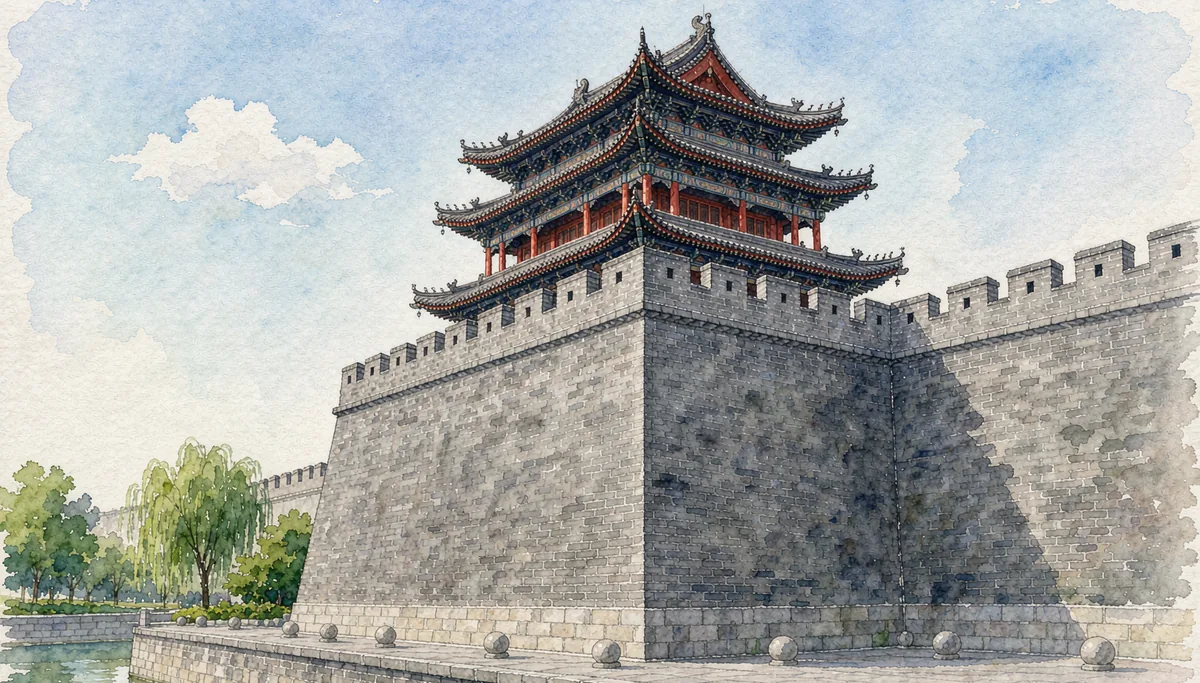
Western China is the part of the country where the Silk Road, the giant pandas and the great river cities pull in different directions, and this section groups five destinations that each answer a different version of the same question: where does the west begin? Xi'an is the ancient capital and the eastern anchor of the Silk Road, home to the Terracotta Army and the city wall. Chengdu is the panda city and the capital of Sichuan food, a relaxed base for spicy hotpot and bamboo-forest day trips. Lijiang is the high-altitude Naxi old town beneath the Jade Dragon Snow Mountain. Chongqing is the vertical river megacity where monorails run through apartment blocks. Dunhuang is the desert oasis at the edge of the Gobi, the furthest west of the five and the one most people skip on a first trip. Together they make a coherent western arc, but they are not one route: Xi'an and Chengdu are rail hubs you can bolt onto almost any China itinerary, while Dunhuang sits hours beyond them and rewards a deliberate Silk Road extension rather than a casual detour.

Dunhuang as a Silk Road base

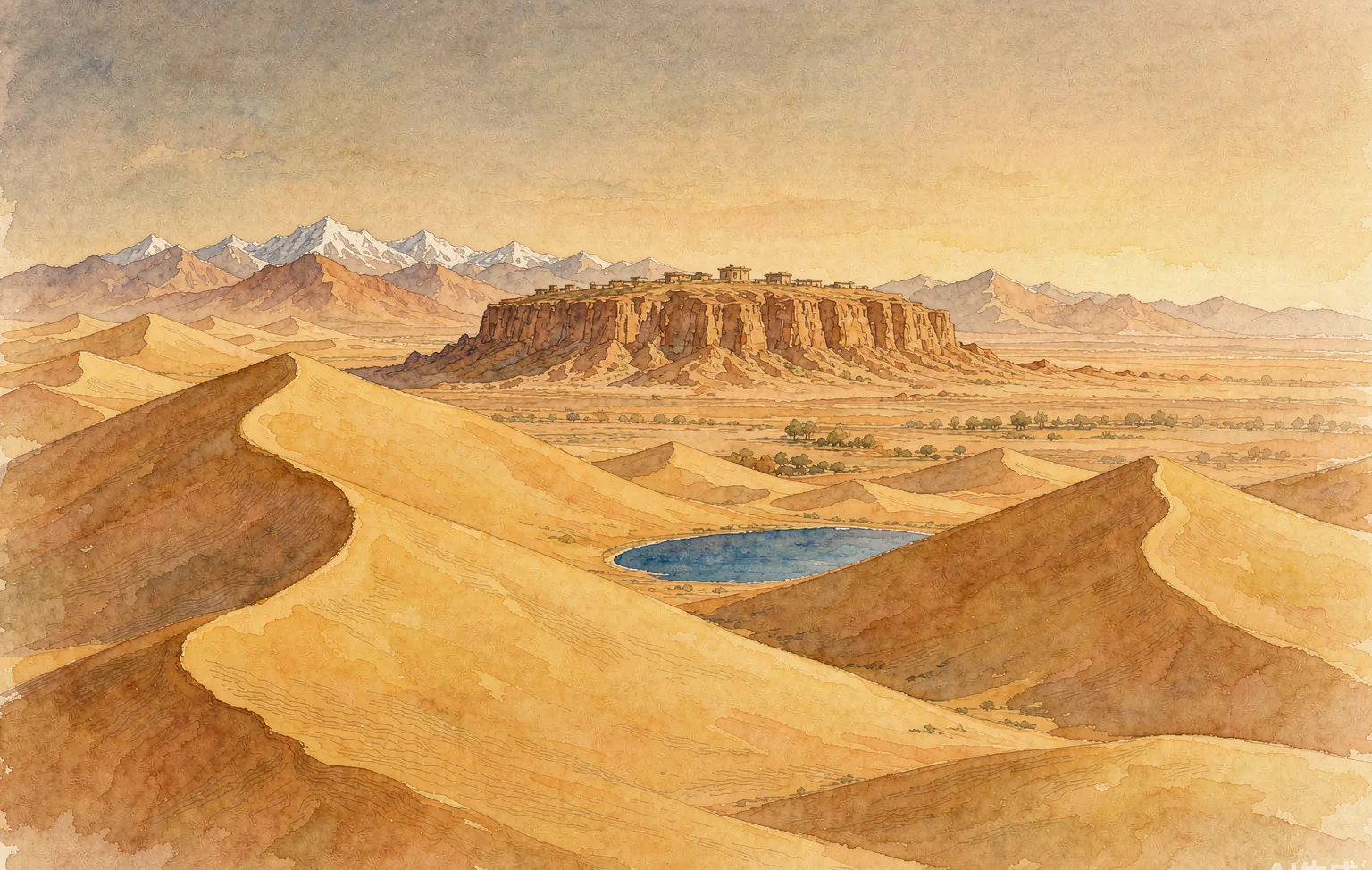
Dunhuang is an oasis county-level city in northwestern Gansu, about 1,900 km west of Beijing and roughly 1,100 km northwest of Xi'an, where the Hexi Corridor meets the deserts that lead toward Xinjiang. For more than a thousand years it was the great resting and trading point on the Silk Road, and from the 4th century onward it became one of the most important Buddhist art centres in the world. Today it is compact and easy to read. The Mogao Caves sit about 25 km southeast of the city; the Mingsha Shan dunes and the Crescent Lake are only 5-6 km south of the centre; and the western frontier sites — Yumen Pass, the Han Great Wall and the Hecangcheng ruins — lie roughly 80 km to the northwest along a single desert road. The city itself is walkable, with a night-market strip (Shazhou Night Market) that concentrates most of the food and souvenir life. Dunhuang is not on the main high-speed corridor, so the decision to include it is really a decision about how much of the Silk Road story you want, not about whether it is worth a stop on its own.

Mogao Caves: booking and visiting

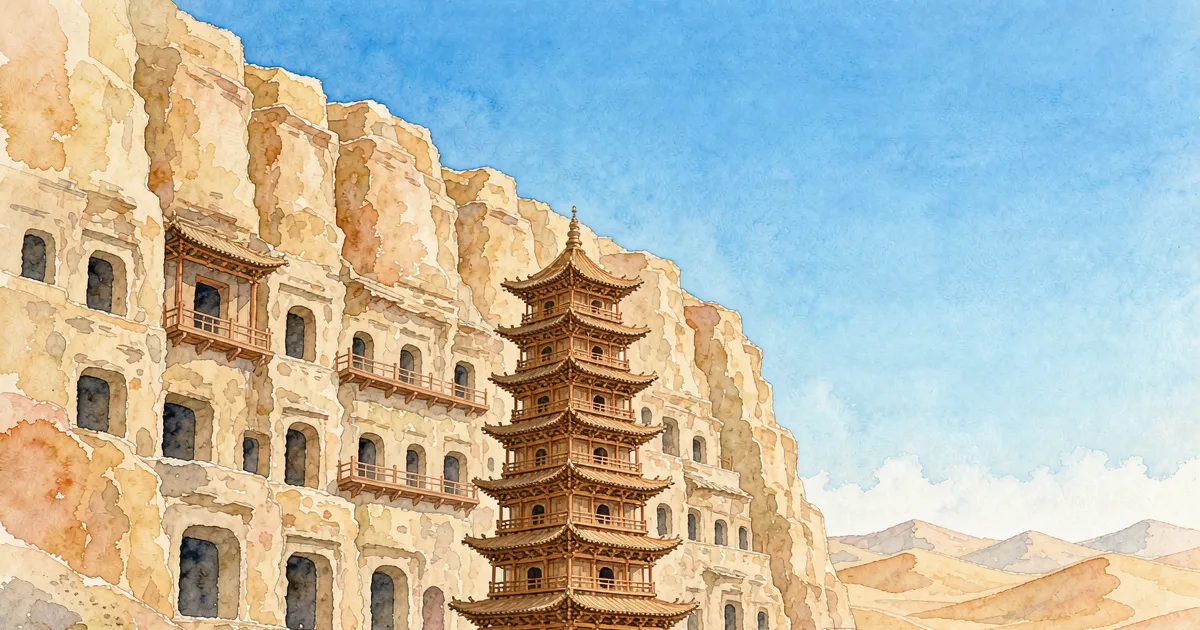
The practical core of any Dunhuang trip is the Mogao Caves, and the single most important rule is to book before you arrive. The only official channel is the Dunhuang Academy platform (mgk.org.cn and its WeChat mini-program), where the A-ticket (the standard visit) goes on sale up to 30 days ahead and is sold by real name with a fixed time slot — since August 2026 the site enforces strict time-slotted entry, and you must arrive about 30 minutes before your slot at the north entrance of the Digital Exhibition Center. The A-ticket costs ¥238 in peak season (1 April to 30 November) or ¥140 off-peak and includes two digital films, the shuttle bus and a guided walk through eight decorated cave-temples; an emergency B-ticket at ¥100 covers only four caves with no films and a far weaker experience, used when A-tickets sell out. Daily capacity is capped and peak-summer morning slots can sell out weeks ahead. Inside the caves photography is strictly forbidden to protect the pigments; allow three to four hours for the films, the shuttle ride and the cave tour, and carry the same passport you used to book.

Desert, dunes and the oasis

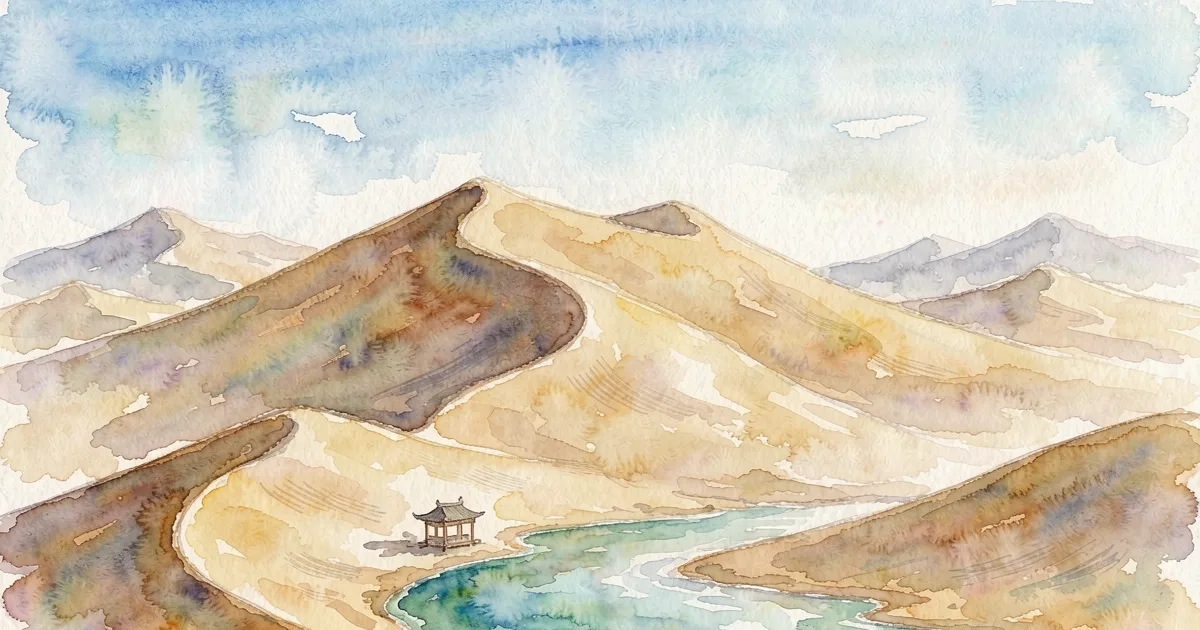
The Mingsha Shan (Singing Sand Mountains) and the Crescent Lake are Dunhuang's signature landscape and the easiest outing in town. The combined scenic area charges ¥110 in peak season or ¥55 off-peak, and crucially the ticket is valid for three days with repeat entry by ID, so you can come for sunrise one morning, sunset another evening and the starlit dunes on a third visit without buying again. Hours run roughly 05:30 to 21:00 in summer and a little later than 07:00 to 19:00 in winter. The experience is best at sunset, when the dunes glow gold and the small crescent-shaped spring below stays lit; on a clear night the Milky Way is visible and desert camping is offered outside the park. Camel rides (about 40 minutes), sand-sliding and off-road vehicles cost extra inside the park, and fine sand gets everywhere, so a dust mask and a phone pouch are worth carrying. Avoid entering at midday in summer, when the surface sand is hot enough to burn bare feet.

The western frontier: Yumen Pass and the Han Great Wall

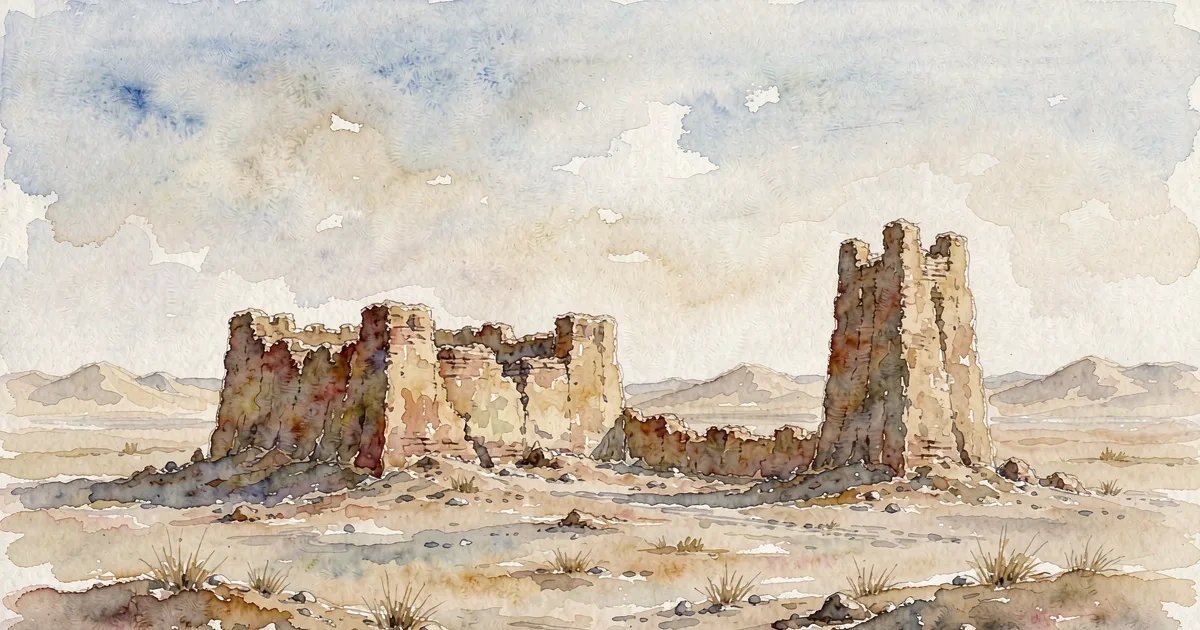
For the full Silk Road story, a West-Line day takes you to Yumen Pass, the Han-dynasty 'Jade Gate' where caravans officially left the empire for the Western Regions. The pass itself is a compact earthen square fortress with a tall beacon tower, and the same ticketed route usually covers a stretch of the Han Great Wall and the Hecangcheng granary ruins scattered across the Gobi. Admission is ¥40 plus a mandatory sightseeing shuttle, because there is no public transport this far out — the sites are about 80 km northwest of the city along a single desert road with no services. The practical options are a shared West-Line tour (carpool roughly ¥160-200 per person) or a private car for the day (about ¥480-550 for up to four people). A further 180 km west, the Yadan National Geopark ('Devil City') makes a long but spectacular add-on for sunset among the yardang landforms. Yangguan, the southern Silk Road pass, is a shorter alternative outing to the southwest if you prefer a half-day ruin walk.

Getting around and practical preparation

Dunhuang is reached by air and by rail. Dunhuang Mogao International Airport has flights from Xi'an, Lanzhou and a few other hubs; Dunhuang Railway Station handles conventional overnight and daytime trains from Lanzhou and Xi'an, and the nearest high-speed services reach Liuyuan South on the Lanzhou-Urumqi line, about 130 km north, from where it is roughly 1.5 hours by road. Inside the city, taxis and bus 3 reach the Mingsha Shan scenic area in about ten minutes, and the centre is flat enough for cycling. For the West Line you need a tour or a hired car. Practical preparation is mostly about the desert: bring high-SPF sunscreen, a sun hat, sunglasses, a refillable water bottle and a light dust mask for windy afternoons, because spring sandstorms and summer days above 35C are both common. Mobile payments work through Alipay and WeChat Pay as elsewhere in China, and English is limited outside the big cave-ticket desks, so keep hotel and attraction names saved in Chinese characters for taxi apps.
A day-by-day itinerary for Dunhuang

A realistic structure for a first visit. Adjust the order to match opening days, weather and your own pace — fewer sights done well beats a checklist.

Day 1

Arrival, Mogao Caves and the museum

Arrive in Dunhuang by air or rail and check in near Shazhou Night Market so dining is walkable. In the afternoon head first to the Mogao Caves Digital Exhibition Center, watch the two films, then take the shuttle to the cliff for your guided cave tour — arriving about 30 minutes before your booked slot is mandatory, and late arrival invalidates the ticket.

After the caves, spend an hour or two at the Dunhuang Museum in the city centre to see Silk Road artifacts and replicas of the Library Cave manuscripts; it frames everything else you will see. End the day at Shazhou Night Market for noodles and roast lamb.

  • Book the Mogao A-ticket on the official platform before you fly — peak mornings sell out weeks ahead
  • Start at the Digital Exhibition Center, not the cliff; the shuttle is included in the A-ticket
  • Carry the passport used for booking; entry is real-name and time-slotted
Day 2

Mingsha Shan and the Crescent Lake at sunset

Keep the morning light and save the dunes for late afternoon. Enter Mingsha Shan & Crescent Lake in the early evening, climb the wooden stairways to a dune crest for the sunset over the spring, then stay if the sky is clear for stargazing. The three-day ticket means a separate sunrise visit the next morning is included.

Camel rides, sand-sliding and off-road vehicles are priced separately inside the park. Keep a dust mask and a phone pouch handy because the fine sand gets into everything, and avoid the midday heat in summer when the surface is uncomfortably hot.

  • Your ticket is valid three days with repeat entry by ID — use it for both sunset and sunrise
  • Enter after 17:00 in summer to climb the dunes in cooler light
  • Confirm camel-ride and photo prices before you agree to anything extra
Day 3

The West Line: Yumen Pass and the Han Great Wall

Devote the day to the western frontier. Join a West-Line tour or hire a car for the roughly 80 km drive northwest to Yumen Pass, the Han Great Wall beacon towers and the Hecangcheng ruins. There is no public transport and almost no shade, so carry water and start early to beat the afternoon wind.

If you have extra energy and a long daylight window, continue to the Yadan National Geopark for sunset among the yardang formations, though that turns the day into a very long drive. Otherwise return to the city in the late afternoon and keep the evening free.

  • Yumen Pass admission is ¥40 plus a mandatory shuttle; book a tour or car, not public transport
  • Bring water and sun protection — there is little shade on the Gobi sites
  • A Yadan sunset extension adds about 180 km each way; only attempt it with a private driver

Where to stay

  • Stay near Shazhou Night Market in the city centre for walkable dining, easy taxi access and the liveliest evening atmosphere — the strongest first-time base
  • Desert homestays at the foot of Mingsha Shan offer dune views and sunrise walks, but they are quieter and farther from restaurants, so they suit a slower stay
  • Budget and mid-range Chinese chains (Hanting, All Seasons, Home Inn) cluster around the centre and cost roughly ¥150-300 per night with reliable foreigner check-in
  • A few upscale resorts styled on Han-Tang architecture sit on the city edge with pools and camel-ride packages, running about ¥800-1,500 per night
  • Book ahead for the May-October season and especially for the National Day week, when the whole Gansu corridor tightens on rooms and rail

Budget notes

  • The Mogao Caves A-ticket at ¥238 is the single biggest fixed cost; the B emergency ticket saves money but loses the films and most of the cave experience
  • Mingsha Shan & Crescent Lake at ¥110 (peak) is valid three days, so it is effectively one fee for several visits rather than a daily charge
  • The West Line has no public transport: a shared tour is about ¥160-200 per person, while a private car for the day is roughly ¥480-550 for up to four people
  • Food is inexpensive — donkey-meat yellow noodles or a lamb plate run about ¥40-80 per person at the night market, and fruit juices are a few yuan
  • In-town taxis and bus 3 are cheap, so most daily transport is under ¥30; the real money goes on the long haul to reach Dunhuang from Xi'an or Lanzhou

Dunhuang travel questions

How many days do I need in Dunhuang?

Plan two to three full days. One day covers arrival plus the Mogao Caves and the museum, a second is for Mingsha Shan and the Crescent Lake at sunset, and a third is the West Line to Yumen Pass and the Han Great Wall. With only one day you can see the caves and the dunes but will miss the frontier sites.

Do I need to book the Mogao Caves in advance?

Yes. The A-ticket is sold only through the official Dunhuang Academy platform up to 30 days ahead, by real name with a fixed time slot, and peak-summer morning slots can sell out weeks in advance. Book before you fly; if A-tickets are gone you fall back to the weaker ¥100 emergency ticket.

How do I get from the city to the Mogao Caves?

All visits start at the Digital Exhibition Center, about 25 minutes by taxi from the centre, where you watch the films and board the included shuttle to the cliff. There is no metro; navigate to the exhibition center, not the cave entrance, because arriving at the cliff directly invalidates your ticket.

Is Dunhuang worth including on a two-week first trip to China?

It is best as a deliberate Silk Road extension from Xi'an, reached by rail via Lanzhou, rather than a side trip from Beijing or Shanghai. If your two weeks already cover Beijing, Xi'an and Shanghai, Dunhuang is a strong candidate for a later western trip; if you love history and deserts, it can replace a softer eastern stop.

When is the best time to visit Dunhuang?

May to October is the comfortable window, with September and October the mildest and clearest. Summer days often pass 35C and spring can bring sandstorms, while winters are cold but quiet and cheap. The Mingsha Shan ticket is off-peak and lower from December to March.

Key places and realistic planning notes

No placeholder ratings or universal ticket claims—each note is specific to the named place.

Mogao Caves

Mogao Caves

A UNESCO World Heritage cliff of 492 temple-caves with 1,000 years of Buddhist art, reached via the Digital Exhibition Center

Planning estimate
Allow 3-4 hours including the two films and the guided cave tour
Admission note
A-ticket ¥238 peak / ¥140 off-peak (2 films + shuttle + 8 caves with guide); emergency B-ticket ¥100 (4 caves). Book on the official Dunhuang Academy platform up to 30 days ahead
Area
25 km southeast of the city
Mingsha Shan & Crescent Lake

Mingsha Shan & Crescent Lake

Singing sand dunes above a small spring-fed lake, five kilometers south of the city and open for sunrise and stargazing

Planning estimate
Allow 2-3 hours; best at sunset and after dark
Admission note
¥110 peak / ¥55 off-peak, valid for three days with repeat entry by ID. Camel rides and sand-sliding cost extra
Area
5-6 km south of the city centre
Yumen Pass

Yumen Pass

The Han-dynasty 'Jade Gate' frontier fortress on the West Line, with nearby Han Great Wall and Hecangcheng ruins

Planning estimate
Allow 1.5-2 hours as part of a West-Line day
Admission note
¥40 plus a mandatory sightseeing shuttle; no public transport, so join a tour or hire a car
Area
About 80 km northwest of the city
Dunhuang Museum

Dunhuang Museum

A free city museum with Silk Road artifacts and replicas of the Library Cave manuscripts, a good first stop

Planning estimate
Allow 1-2 hours
Admission note
Free with ID; reserve via the official WeChat account, closed on Mondays
Area
City centre, Mingshan North Road

Before you go

  • Book the Mogao Caves A-ticket on the official platform up to 30 days ahead
  • Carry the passport used for booking — entry is real-name and time-slotted
  • Bring sun protection, water and a dust mask for the desert
  • Reserve accommodation near Shazhou Night Market for walkable dining
  • Allow a full day for the West Line (Yumen Pass, Han Great Wall) with a driver or tour

Getting around

  • Fly to Dunhuang Mogao International Airport from Xi'an, Lanzhou or Beijing
  • Take a train to Dunhuang Railway Station; high-speed services reach Liuyuan South, then about 1.5 hours by road
  • Use taxis or bus 3 for the Mingsha Shan scenic area, about 10 minutes from the centre
  • Join a West-Line tour or hire a car for Yumen Pass and the Han Great Wall, 80 km northwest

Local foods to explore

  • Donkey-meat yellow noodles (lurou huangmian)
  • Braised lamb with pancakes
  • Roast whole lamb
  • Apricot-peel juice (xingpi shui)
  • Silk Road melon and dried fruits

Official sources and updates

Opening hours, booking rules, transport and weather can change. Check these first-party sources before travel.

Editorial review date: . Report corrections through our contact page.

Explore Dunhuang on the map

Map data © OpenStreetMap contributors. Confirm entrances and live routing independently.