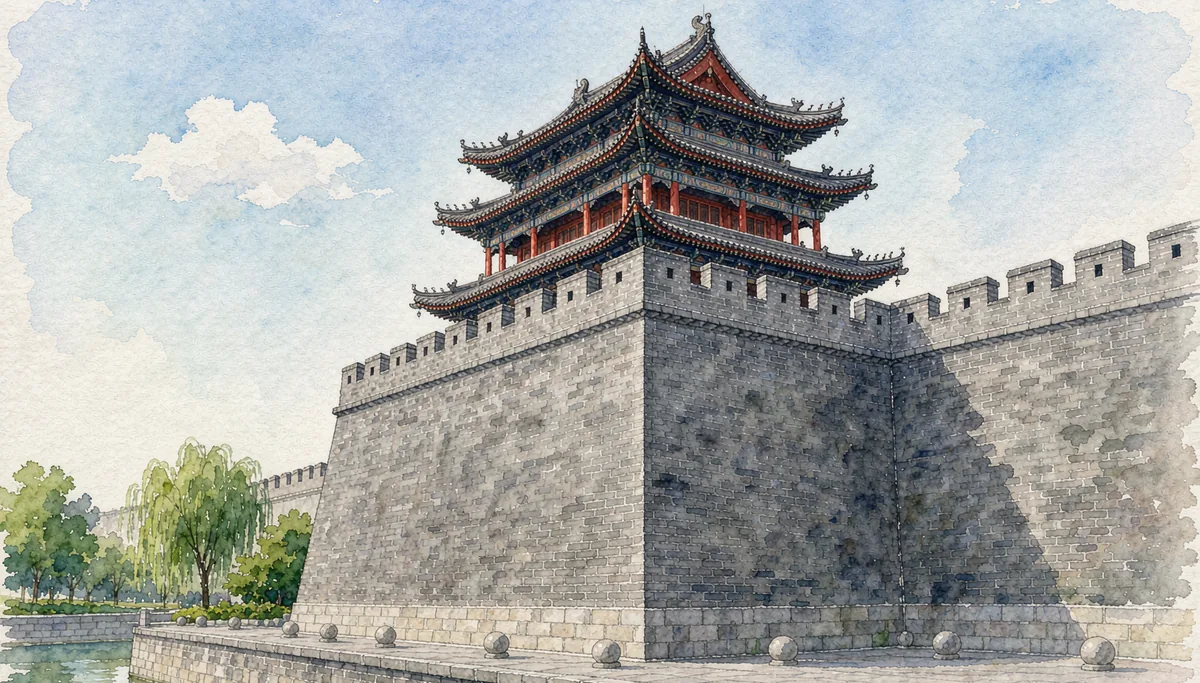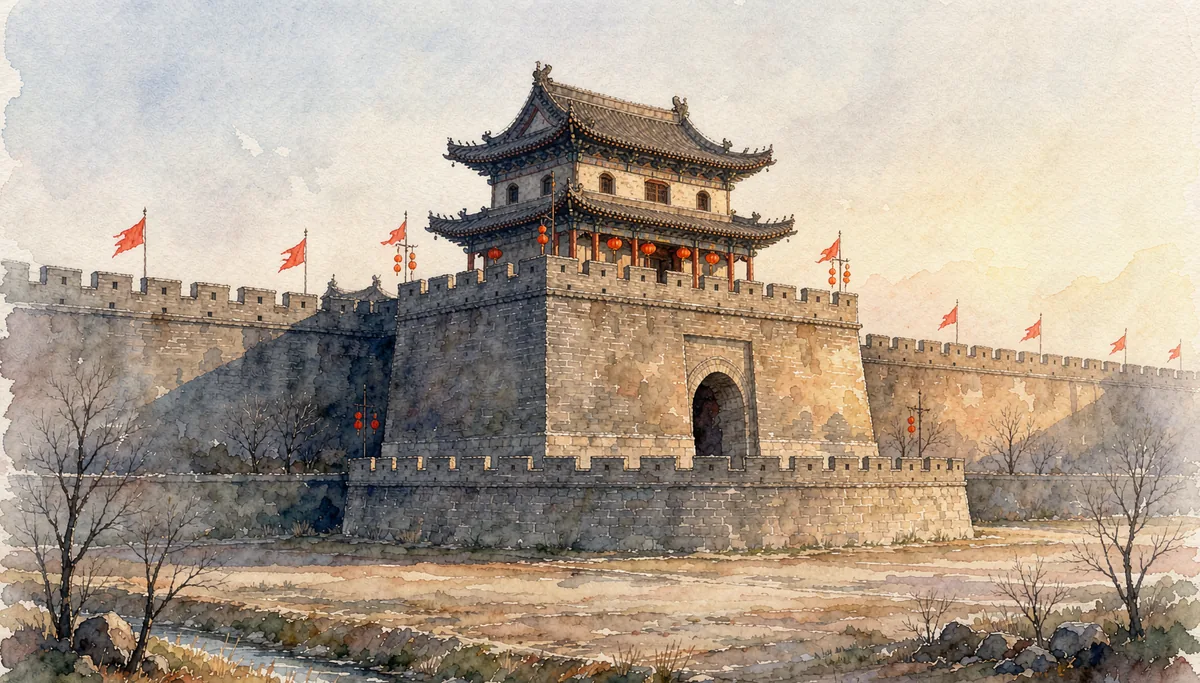
Entering the city is free; the combined ticket is for buildings
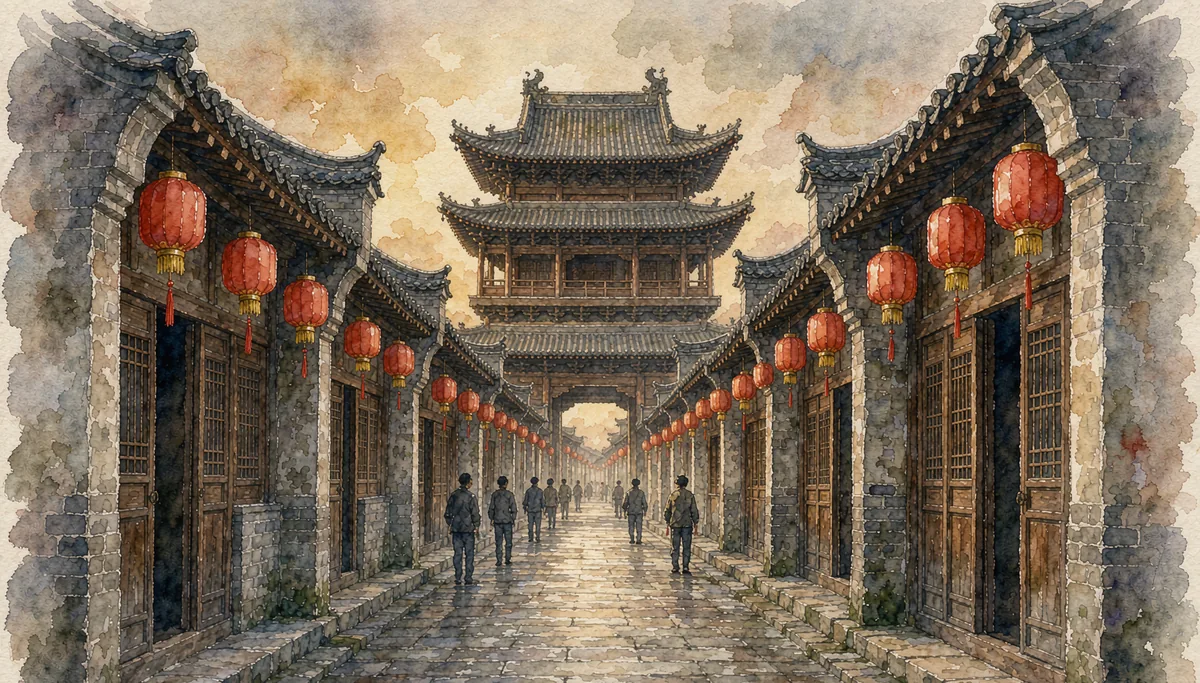
Walking through the gates and along Ming-Qing Street costs nothing. The combined ticket, commonly listed around ¥123–125 by booking platforms with half-price concessions, is needed only to enter the ticketed interiors: the city wall, the county yamen, Rishengchang, the City God Temple, the Confucian Temple and the other merchant courtyards. It is valid for three days, which matches the length of a good visit. The most common first-timer error is buying it at the gate under the impression that it is an admission charge for the town itself. Verify the current price and the list of included sites on the official channel before paying a reseller.
How to spend three days inside the walls
Give day one to the wall and the commercial spine, day two to the draft banks and official buildings, and day three to the two temples outside the walls or to a slow repeat walk. The ticketed buildings are numerous but short — most take 20 to 40 minutes — so the experience comes from moving between them through the lane grid, not from any single interior. Three days also lets you see the same street at 08:00 and again after the lanterns light, which are effectively two different towns. A one-day visit covers the wall and Rishengchang but misses the reason the UNESCO listing covers a whole urban fabric.
Why Rishengchang matters to the whole city
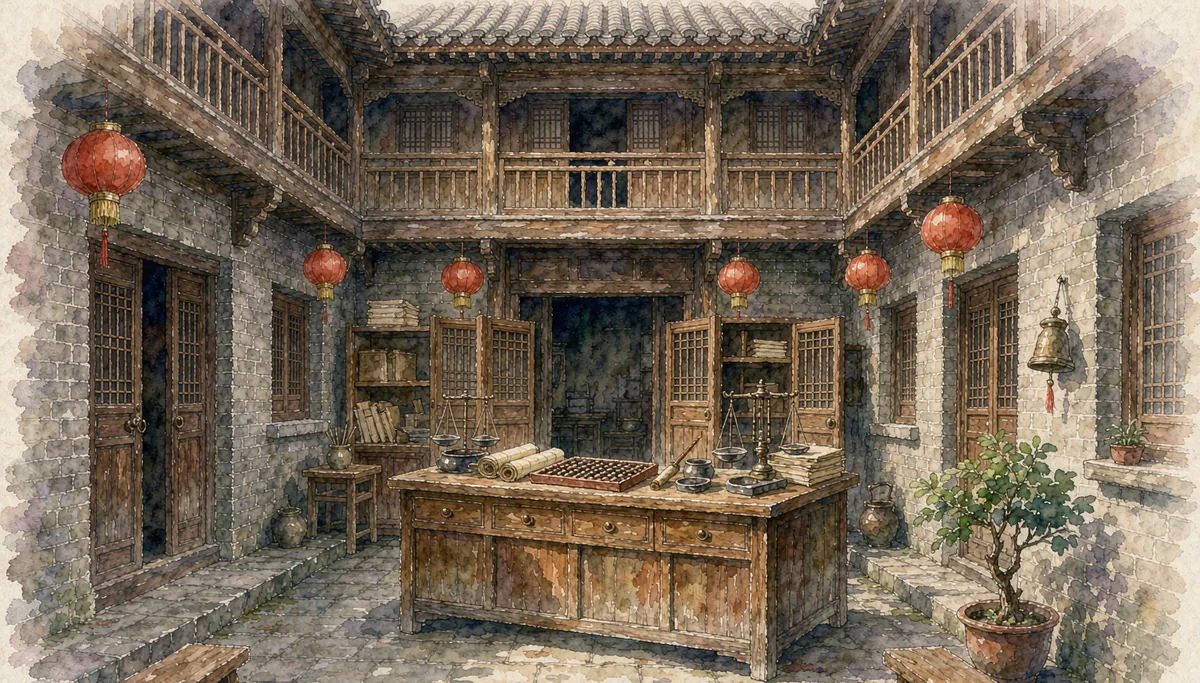
Rishengchang is the courtyard office generally cited as China's first draft bank, founded in the early nineteenth century to move merchant capital across the country without shipping silver. Its counters, ledgers, abacuses and layered courtyards show a financial system that predates modern banking in China, and the surrounding streets hold the rival draft-bank houses that followed it. Visiting these buildings in sequence turns Pingyao from a picturesque old town into a readable economic history: the walls protected the merchants, the courtyards held their capital, and the Shilou tower marked the commercial centre. Read one or two of them properly rather than photographing every doorway.
The two stations, and why your ticket's station name matters
Pingyao has two rail stations. Pingyao station on the conventional line is close to the walls; Pingyao Ancient City station on the high-speed line sits well outside town and requires a taxi or bus transfer. Check which one is printed on your ticket before setting off, because the names are easy to confuse and an early train from the wrong assumption costs more than the transfer itself. Inside the walls, private vehicles are restricted, so luggage must be pulled over stone paving. Pick a guesthouse near a gate, confirm it is registered to accept foreign guests, and save its name in Chinese characters for the driver.
Shuanglin, Zhenguo and the part of the heritage site outside town
The 1997 World Heritage inscription covers the walled city plus Shuanglin Temple and Zhenguo Temple outside the walls, and both are missed by most short itineraries. Shuanglin is known for its painted clay sculpture, Zhenguo for an early timber hall; each has its own modest admission, commonly listed around ¥33 and ¥23 respectively, and each needs a short road transfer. They are the best third-day choice because they are quiet, specific and historically consequential, and they give the trip a destination beyond another merchant courtyard. Confirm opening hours and round-trip transport before leaving the walls, especially in winter when daylight is short.
Season, evenings and small practicalities
April to June and September to November are the most comfortable walking windows; winter is cold and dry but the lantern-lit lanes are atmospheric and crowds thin. The first week of October brings the biggest domestic crowds and the highest room rates, and the Pingyao International Photography Festival in September fills guesthouses in a different way. Set up Alipay or WeChat Pay before arrival, keep your passport for hotel registration and ticket checks, and carry a small cash reserve for courtyard shops. The optional Encore Pingyao performance is a separate, pricier evening ticket with fixed showtimes and is not included in the combined pass.