How to frame a first visit to Nanjing
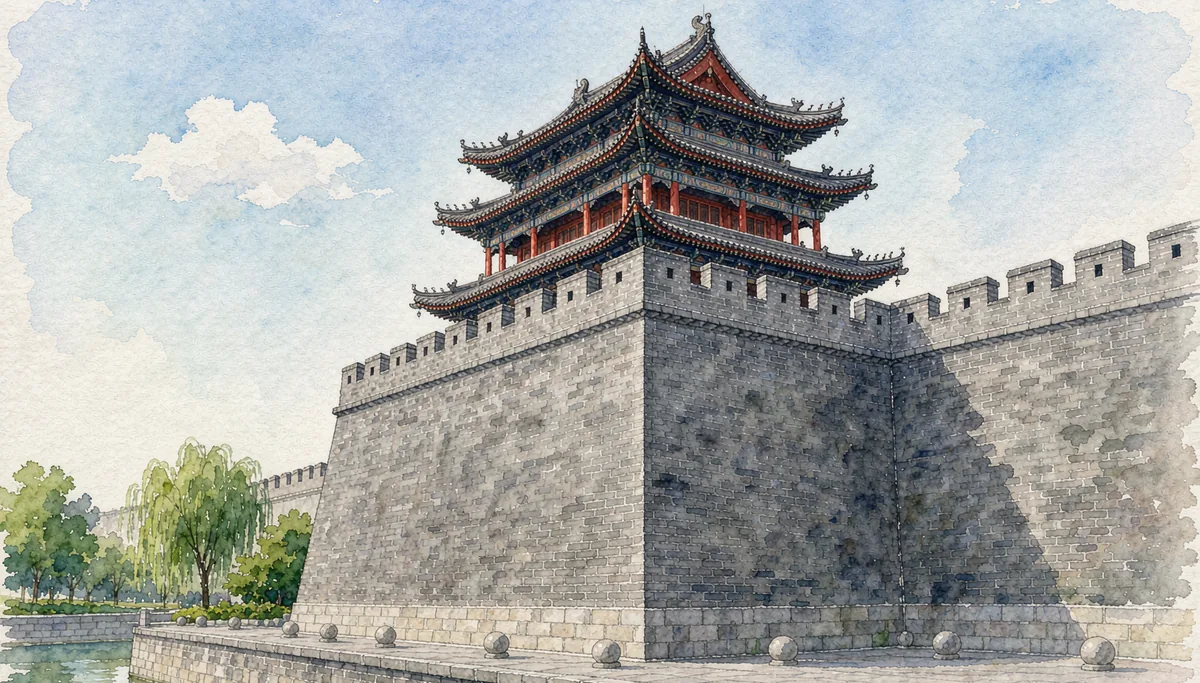
Treat Nanjing as a city of layers rather than a list of sights. It was the capital of six dynasties across the medieval period and the short-lived capital of the Republic of China, and those eras leave different physical marks: a largely intact Ming-dynasty city wall, a republican-era boulevard grid, and hills and a lake on the city's eastern edge. The practical consequence is that the headline sights fall into two clusters. The Zhongshan Scenic Area, east of the old city, holds the Sun Yat-sen Mausoleum and the Ming Xiaoling tomb. The old city and its wall hold Zhonghua Gate and the Qinhuai riverfront. Nanjing is also one of eastern China's biggest high-speed rail hubs, under an hour from Shanghai, Hangzhou and Suzhou, so it slots into a Yangtze-delta loop instead of needing a dedicated trip. Two or three days is the realistic window: one for the mausoleum and tombs, one for the wall and the river, and an optional third for the museums.
The Zhongshan Scenic Area and the Sun Yat-sen Mausoleum
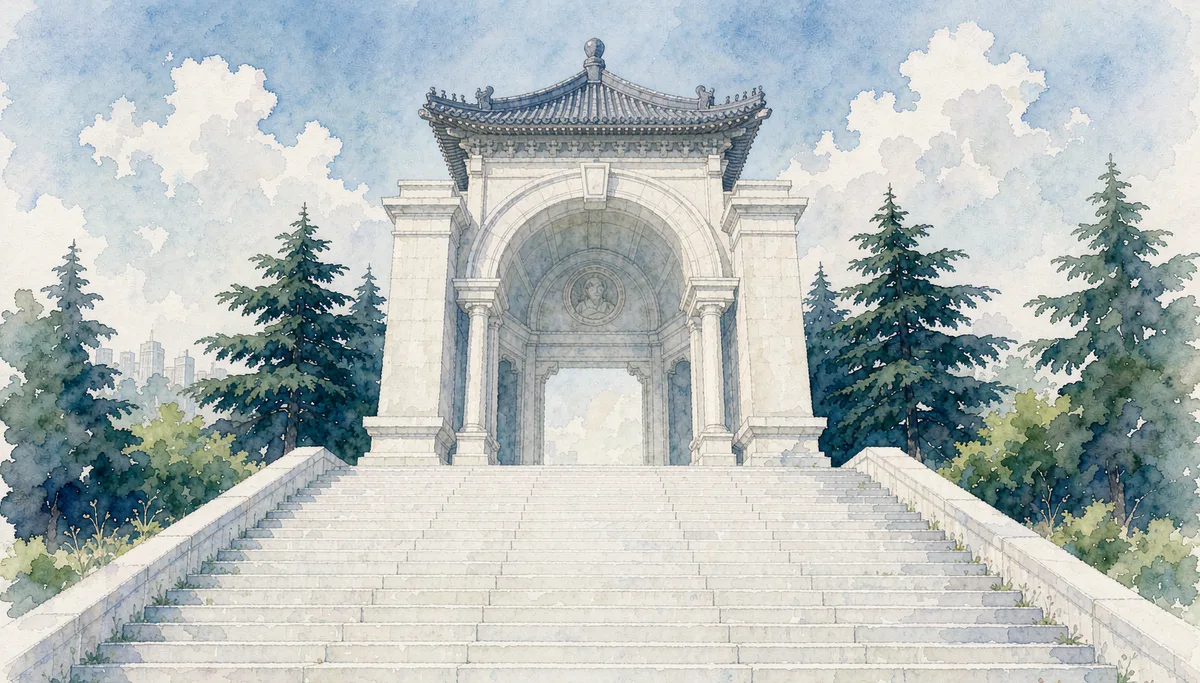
The Sun Yat-sen Mausoleum is the city's signature sight and, importantly, free — but free does not mean walk-up. It uses a real-name, time-slot reservation that you book through the official Zhongshan Scenic Area channel one to seven days ahead, and a foreign passport is accepted for the booking. The approach is a wide marble staircase of 392 steps to a blue-tiled vaulted memorial, best climbed early before the coaches arrive. The same scenic area holds the Ming Xiaoling tomb (about 70 yuan), the Music Stage (about 10 yuan) and the Linggu Temple, and a combined four-sight pass costs about 100 yuan. The area is large and hilly, so plan to arrive by metro plus a connecting bus or taxi rather than on foot from the centre. Note that the mausoleum and the major museums close on Mondays, which shapes which day you give to which cluster.
Reservations, free entry and how to avoid the queues
Nanjing is unusually generous with free entry, but almost everything worth seeing is timed and identity-checked. Alongside the free mausoleum, the Nanjing Museum is free but requires a reservation released seven days ahead at 18:00 with a daily cap of around 18,000 visits, and it also closes on Mondays. Carry the passport you used for each booking, because the gate checks identity against the reservation. The pattern rewards a little forward planning: book the mausoleum and the museum a day or two before you travel, keep Monday clear for sights that stay open, and treat the unticketed city-wall walks and the Qinhuai riverfront as the flexible fillers. Visitors using the 240-hour transit waiver or the 30-day visa-free entry should confirm the current eligible-port list, because Jiangsu province participates but the rules change.
The old city wall, Zhonghua Gate and the Qinhuai
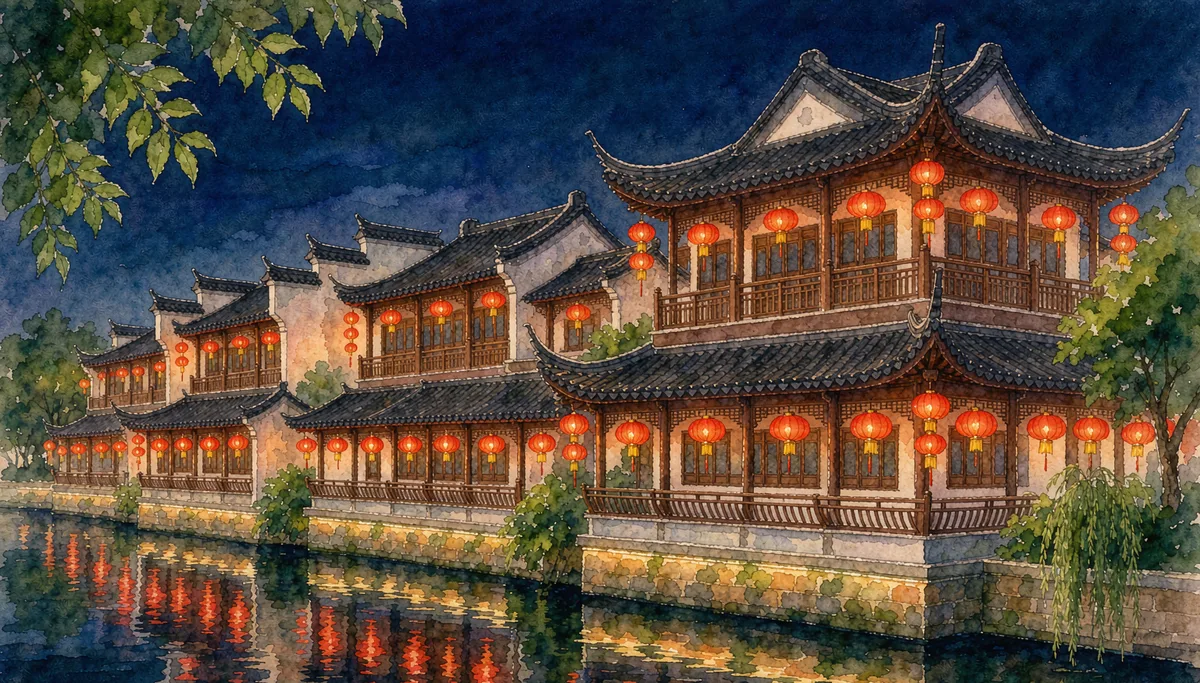
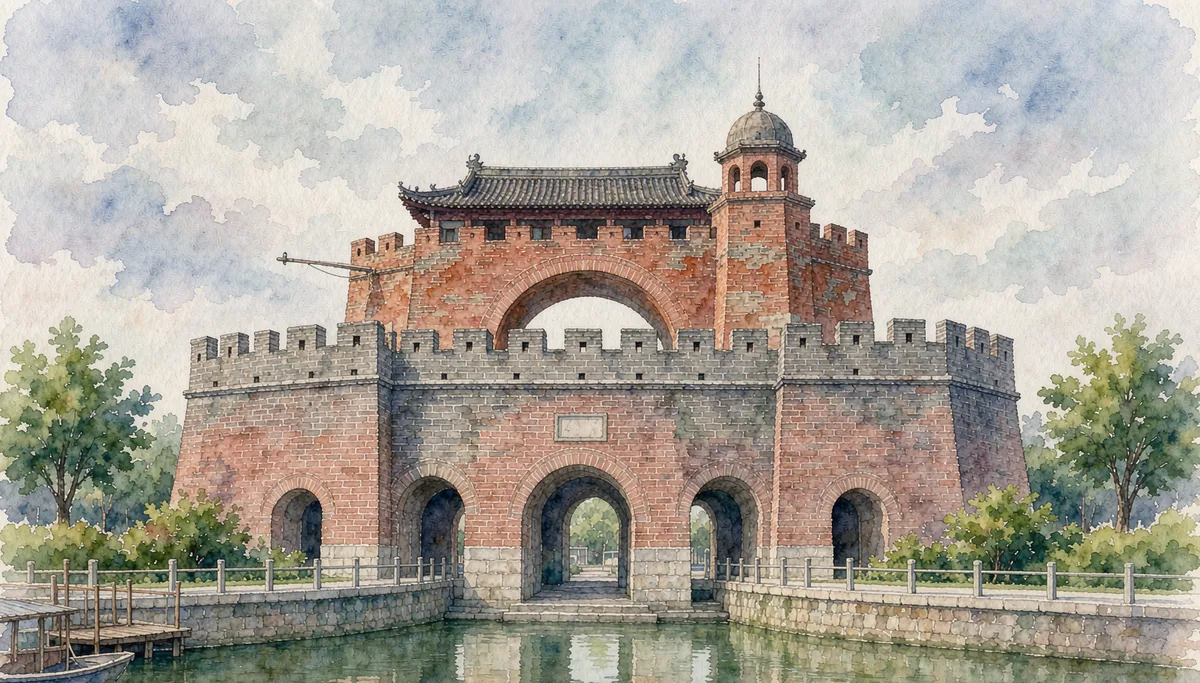
Zhonghua Gate is the largest surviving gate of the Ming city wall, a layered brick fortress with archways, ramparts and a moat, and it costs about 47 yuan (a few sources list 50). From it you can walk short open sections of the wall for about 27 to 30 yuan and look down on the old city's grid. A few kilometres north, the Qinhuai River and the Confucius Temple district are free to walk and turn into a lantern-lit spectacle after dark; the Dacheng Hall of the temple costs about 29 yuan, the Imperial Examination Museum about 45 yuan, and a river boat runs about 75 to 140 yuan. The night scene is the draw, so time the riverfront for after sunset and keep the wall and the gate for the late afternoon light. Both clusters are reachable by metro, and the Confucius Temple area is dense enough that an evening there needs no transport plan.
Getting to and around Nanjing
Nanjing's location is its advantage. From Shanghai, high-speed trains take about an hour, with the fastest services around 59 minutes and second-class fares roughly 90 to 150 yuan; from Hangzhou about one to 1.5 hours (120 to 200 yuan) and from Suzhou about an hour (100 to 180 yuan). Beijing is three and a half to five hours away (about 450 to 750 yuan). Most long-distance trains use Nanjing South, a vast hub on the metro network, while the older Nanjing Station sits closer to the city centre. Inside the city, more than ten metro lines cover the main sights and use Alipay transport QR codes, and taxis start around 9 to 11 yuan. From Lukou Airport, metro Line S1 runs the 35 km to the centre for about 6 yuan in around 40 minutes. Save destination names in Chinese characters for ride-hailing apps, where English input is unreliable.
Season, food and a realistic plan
Spring (March to May) and autumn (September to November) are the comfortable windows; summer is hot and humid, and winter is cold but quiet and good for photographs. Nanjing's food centres on duck: the city's salted duck is the signature dish, and duck-blood vermicelli soup is the everyday bowl, joined by steamed soup dumplings and pot-stewed snacks. A workable two-day plan gives day one to the Zhongshan Scenic Area and day two to Zhonghua Gate, a wall walk and the Qinhuai at night, with the Nanjing Museum or the Memorial Hall of the Victims of the Nanjing Massacre folded into whichever morning the reservations allow. Three days lets you add Xuanwu Lake and the city's republican-era boulevards at a slower pace. Confirm hotel registration for foreign guests and keep your passport for every ticket check.